Is General Motors Becoming an Energy Company Instead of a Car Company?
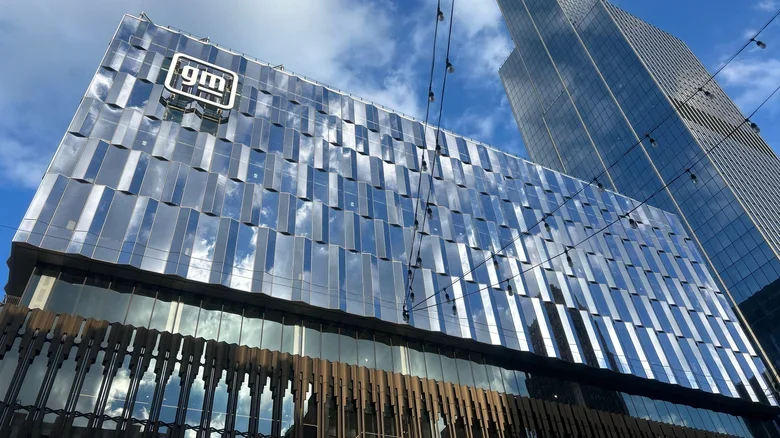
General Motors is changing into an energy company - wow
Since the AI boom, the world has changed faster than at any point in my lifetime since launch of internet.
For context to younger readers: the internet came first. There is no social media without the internet. Just as there is no Kobe without MJ 😂
ChatGPT, Gemini, Claude, Copilot — these tools are now being used by virtually everyone, from individuals to enterprises, and the downstream effects on the economy are genuinely wild. The scramble for memory chips alone has sent companies like SanDisk (SNDK) up over 4,000% in a single year. A couple of years ago everyone was talking about Nvidia and GPUs. Now the conversation has expanded to everything that supports AI infrastructure — memory chips, data centers, cooling systems and increasingly, power itself.
That last one is where General Motors comes in. And it's not what you'd expect.
GM Is Pivoting to Energy — Not Just Batteries
I'll be honest — I can barely name a GM vehicle. Maybe the Corvette and the Camaro, because I'm a sports car guy and those are the only two that register on my radar. Beyond that, it's clear that GM has lost significant ground in the global automobile race against Toyota, Tesla and even Hyundai. If someone had said that last part 30 years ago, they would have been laughed out of the room. Now it's just the reality.
Then I came across a Jalopnik article along with GM's own press release. The announcement: GM plans to invest in sodium-ion batteries specifically designed for stationary power applications — energy storage for data centers, backup power for solar farms when the sun isn't shining, grid stabilization infrastructure.
My first reaction was — OK, a battery pivot. That still makes sense in an EV context.
Then I kept reading.
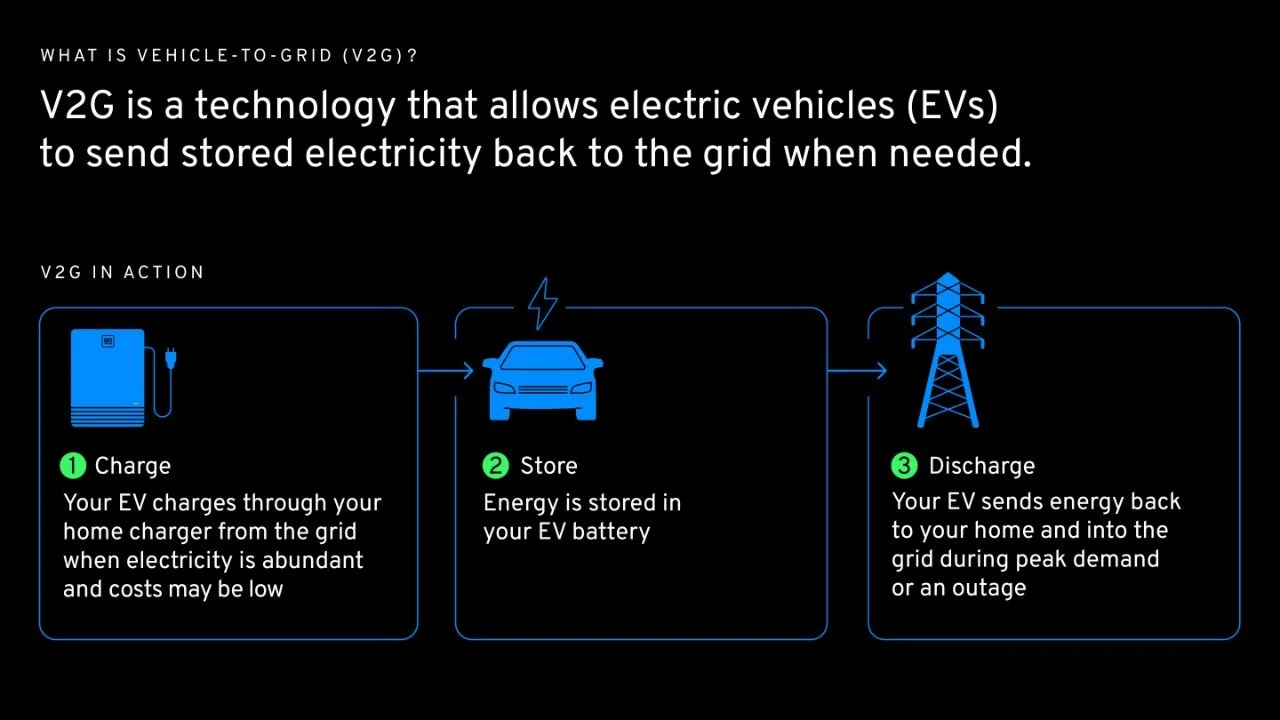
How GM EV sends power to local power grid
GM is also developing technology that allows compatible EVs to send energy back to the local power grid — potentially saving consumers money while supporting local infrastructure. And that's when it clicked. This isn't really about cars at all. This is about GM positioning itself as an energy provider at precisely the moment when the entire tech industry is panicking about how to power the data centers that AI requires.
That is a genuinely significant strategic pivot. And honestly? It's not a bad one — especially if their battery capabilities are as strong as the articles suggest. It's not as wild as Allbirds pivoting from sustainable sneakers to AI 😂 — but it's in that territory of "wait, what company is this again?"
Many Car Brands Will Fade Away — And That's Not a Surprise
Thinking about it more, maybe GM has known for a while that winning the automobile game long-term isn't realistic for them. Self-driving technology, Chinese EV competition, the electrification shift — the landscape is brutal and getting more competitive every year. Recognizing that and pivoting to a space where you have genuine capabilities is smarter than staying in a fight you're losing.
But this raises a bigger question about the industry overall.
The car manufacturers that will survive long-term are the ones with genuine brand distinction. Not just good EV technology. Not just the best specs. Brand identity. Because long-term, people still buy brands they believe in — not just products that perform well on paper.
That's why Coca-Cola is still the number one drink brand in the world. Not because it's objectively the best-tasting liquid ever created. Because the brand means something that no amount of taste-testing can replace.
Apply that logic to car manufacturers and the list of brands at risk gets uncomfortable quickly.
All three of the American Big 3. Nissan. Either BMW or Audi — probably not both. Chinese EV brands will consolidate down to a handful of survivors. And honestly — even Honda might be in trouble. The Civic Type R and Integra Type S have been genuine bright spots, but beyond those two the strategy feels scattered. The new Prelude was a significant missed opportunity. For a brand with Honda's heritage, that's concerning.
Final Thought
As a sports car guy, my hope is that the brands that survive do so by doubling down on performance heritage and driver engagement. Toyota is already doing this deliberately with the GR lineup — and it's working. BMW and Honda have the history to do the same. Whether they have the conviction is a different question.
Beyond cars — I'm genuinely fascinated by what industry gets disrupted next. Amazon upended traditional retail. Netflix ended Blockbuster. AI is now reshaping industries that seemed completely insulated from disruption just five years ago.
The world is changing fast. And the companies that survive will be the ones honest enough to ask — what business are we actually in?
GM just asked that question. The answer surprised me. It might surprise you too.
