While You Were Sleeping: A K-Drama Where Every Choice Changes Everything

While You Were Sleeping K-Drama - Bae Suzy & Lee Jong‑suk
MeiMei (my wife 😂) is our resident K-drama and C-drama critic here at Culture. Clothing. Cars. This time she's reviewing While You Were Sleeping. Take it away, MeiMei.
A drama about choice, connection, and the courage to change your future
Drama Information
Title: While You Were Sleeping
Year: 2017
Genre: Fantasy, Romance, Legal, Thriller
Episodes: 16
Writer: Park Hye‑ryun
Main Cast:
Bae Suzy as Nam Hong‑ju
Lee Jong‑suk as Jeong Jae‑chan
Jung Hae‑in as Han U‑tak
Lee Sang‑yeob as Lee Yu‑beom
More details:Cast & credits on IMDb
Trigger Warnings
This drama includes themes and scenes that may be difficult for some viewers:
violence and attempted murder
car accidents
medical emergencies
stalking and harassment
grief, loss, and parental death
suicide attempt (non‑graphic)
wrongful conviction
ethical dilemmas involving life‑and‑death decisions
The show handles these moments thoughtfully, but the emotional weight is real.
Who Should Watch
This drama is a great fit if you enjoy:
stories centered on choices and consequences
slow‑burn character development
a grounded romance built on trust
legal cases that connect into a larger narrative
found‑family dynamics
a trio with genuine chemistry
fantasy elements used with intention rather than spectacle
If you liked I Hear Your Voice, Pinocchio, or Lovely Runner, this will resonate with you.
Who Should Not Watch
This drama may not suit you if:
you prefer fast‑paced thrillers with constant twists
you want a romance that starts quickly or stays fluffy
you dislike legal or case‑based storytelling
you’re sensitive to stories involving death, accidents, or moral dilemmas
you want something light — this drama has warmth, but it also has weight
Non‑Spoiler Review - A Drama About Choice
While You Were Sleeping isn’t a drama that relies on big twists or flashy moments. At its core, it’s about something quieter and more personal: the choices people make. Not the choices inside the dreams, but the choices they make after waking up. The show gives its characters glimpses of what might happen, but it never treats those futures as fixed. Instead, it keeps asking the same question: what do you do with the knowledge you’re given? Do you run from it? Try to fight it? Try to change it? Or do you face it head‑on and decide for yourself what kind of person you want to be?
The dreams in this story aren’t commands. They’re possibilities. They’re warnings. They’re moments that say, “This could happen — what will you do about it?” Nam Hong‑ju, Jeong Jae‑chan, and Han U‑tak don’t treat their dreams like fate. They treat them like chances to step in, to help, to shift something before it’s too late. Their bond grows out of that shared responsibility. It’s quiet, sincere, and built on the simple fact that they choose to trust each other. They choose to show up. They choose to act.
And that’s what makes the drama so compelling. It’s not about destiny sweeping people along. It’s about people who refuse to sit still and accept what they see. They wake up, look at the future they’ve glimpsed, and decide to try anyway — even when it’s messy, even when it’s frightening, even when they don’t know if they’ll succeed. The drama keeps reminding us that fate is not fixed in stone, but rather a river whose course can be changed.
Spoiler Alert starting below
The Trio and the Power of Conscious Choice
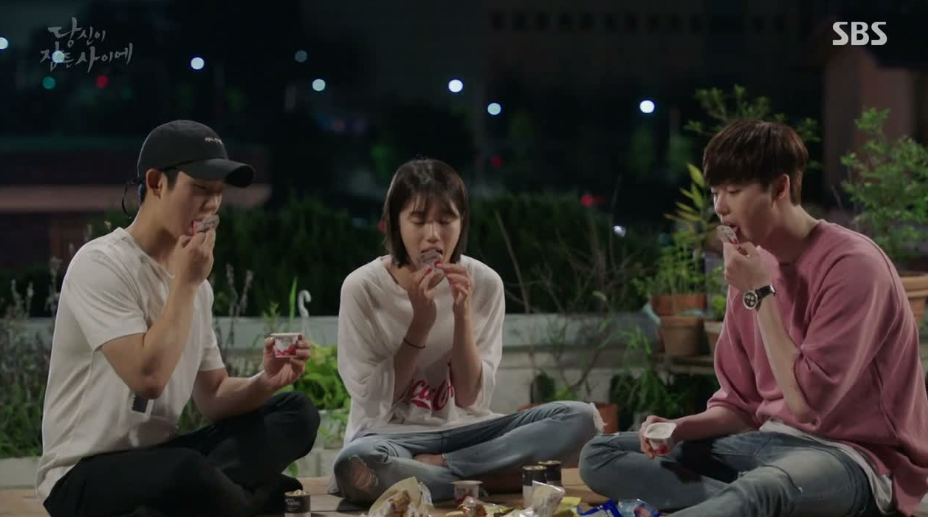
Bae Suzy, Lee Jong‑suk & Jung Hae‑in in While You Were Sleeping
What makes the heart of this drama beat isn’t the supernatural premise — it’s how three ordinary people respond to it. Hong‑ju, Jae‑chan, and U‑tak each carry their own fears and regrets, but the moment their dreams begin to overlap, something shifts. They don’t suddenly become brave or certain. They don’t turn into superheroes. They simply make the choice to trust one another. That trust grows slowly at first, then all at once, and it becomes the foundation for everything they do to try and change the future.
Thirteen years ago, Hong‑ju and Jae‑chan meet for the first time at their fathers’ funerals. Both men were killed by a military deserter — Officer Choi’s own brother — and the guilt weighs so heavily on Officer Choi that he walks into a lake, ready to die. Jae‑chan notices and follows him, and Hong‑ju follows Jae‑chan. On the shore, they find a long rope. Jae‑chan wraps it around himself and tells Hong‑ju that he’s going in after Officer Choi, and that she needs to pull them out. But Hong‑ju refuses. She’s overwhelmed by anger, grief, and resentment, and she doesn’t want to act. Jae‑chan tells her that if she doesn’t want to live with regret, she has to move. He dives in anyway. Hong‑ju hesitates, but in the end, she pulls with everything she has and drags them both out. She saves Jae‑chan’s life by performing CPR. It’s messy and emotional and painful, but it’s the moment that shows who she really is — someone who may hesitate, but ultimately chooses to save a life.
That same pattern shows up when Hong‑ju dreams about the barista, Kang Cho-hui, she met at a local coffee shop. In her dream, Cho-hui is on a college campus, being confessed to by a stranger. They’re surrounded by his friends and curious onlookers. There are candles on the ground, a bouquet in his hands, and someone is holding a spray can. All the aerosols in the air build up to a catastrophic moment: the air bursts into flames, and Cho-hui is burned. Hong‑ju is determined to change this fate. She goes to the location with a fire extinguisher, without backup and without thinking about her own safety. She saves Cho-hui, but everyone else thinks she’s crazy, and the men chase after her, determined to hunt her down. Her choice is messy and misunderstood, and she comes very close to being harmed, but it shows the kind of person she is — the kind who refuses to be a bystander.
Jae‑chan’s choices come from instinct and heart. He hesitates a lot, but he always moves. When he dreams of Hong‑ju’s car crash, he barely knows her, and he doesn’t even believe in prophetic dreams. But he still approaches her. He still warns her. He still tries to stop her from driving. Later, when he dreams of Hong‑ju being chased on a rooftop, he doesn’t see U‑tak in the dream at all. But he still calls him and asks him to stay with her, hoping it might change something. That one choice sends U‑tak into the chicken shop, where he ends up stabbed while protecting Hong‑ju and Cho-hui. Jae‑chan’s defining trait is that he acts even when he’s scared, even when he’s unsure, even when he has every reason to walk away. His choices ripple outward — sometimes painfully — but always with the intention to save.
U‑tak’s choices are quieter, but they’re often the most meaningful. He understands early on that small changes can shift everything. When he dreams of a girl stabbing her hand in Hong-ju’s mom’s restaurant, he chooses to bring Jae‑chan instead of his partner. That tiny decision prevents a chain of injuries and redirects the entire arc. And when his color blindness threatens to unravel everything, he doesn’t hide. He doesn’t lie. He doesn’t let himself be blackmailed. He steps onto the witness stand and tells the truth, knowing it will cost him the career he loves. U‑tak’s integrity is steady and unwavering, and his choices show the kind of person he is — someone who refuses to bend even when bending would be easier.
The trio’s connection isn’t an accident. Jae‑chan and U‑tak both actively wish to save the people who once saved them, and that sincere desire is what awakens their dreaming ability. It isn’t a gift handed down from the heavens — it’s the natural result of a choice they made with their whole hearts. They dream because they want to protect. They act because they refuse to stand by. And in doing so, they create a small circle of safety in a world that sometimes feels unpredictable and cruel.
How Other People’s Choices Create Ripples Too
One of the things I appreciate about While You Were Sleeping is that it doesn’t limit the idea of choice to just the three leads. The drama keeps showing that the world is shaped by everyone’s decisions — even people who appear for only one episode, even people who never meet the trio, even people who don’t realize their actions matter. Every choice sends out ripples, and sometimes those ripples collide in unexpected ways.
You see this clearly in the case of Yoo Su‑gyeong, the former athlete whose death became a storm of public outrage. U‑tak’s ex‑roommate, Do Hak-yeong, becomes the prime suspect, and the internet convicts him instantly. The crime scene photo shows strange lines drawn across the floor with her blood, making it look like the work of a disturbed killer. But the truth comes out because of two unrelated choices made by people who have nothing to do with the case.
Hong‑ju is reading an online article written by Reporter Bong (Bong Du‑hyeon), a senior reporter at her company. The comments are mostly attacking Jae‑chan, calling him incompetent. But one commenter says the blood pattern reminds him of something that happened in his own home — and he posts a picture of his dog sitting on a robot vacuum after it ran over his poop, leaving streaks across the floor that look eerily similar to the crime scene. It’s a silly, almost embarrassing photo, but it plants a seed.
Meanwhile, Jae‑chan talks to the cleaning lady, who casually mentions that the apartment is usually spotless because the little robot vacuum cleans the floors automatically. It’s an offhand remark, but it suddenly hits him: there was no robot vacuum found at the crime scene. If it wasn’t there, then someone must have thrown it out — maybe even a well‑meaning neighbor who didn’t realize it was evidence. This leads them to search through a massive garbage dump, digging through piles of discarded robot vacuums until they finally find the right one, still carrying traces of Su‑gyeong’s blood. That discovery clears the suspect of all charges.
And then there is Yoo Man‑ho, Su‑gyeong’s father. Yu‑beom misleads him into believing that Jae‑chan is corrupt and has set a guilty man free. Blinded by grief and anger, Man‑ho chooses to target Jae‑chan. He shoots him, and they both end up in the hospital — Jae‑chan with a gunshot wound, and Man‑ho in the final stages of pancreatic cancer. His choice brings back something Hong‑ju’s father once said: “anger sometimes makes the obvious difficult to do.” And the obvious thing, if he had been able to think clearly, is that his daughter was beloved. She was kind, friendly, and warm. Even Hak-yeong — who didn’t get a good review for fixing her internet — still liked her and helped her with her recycling. Man‑ho knew she had a medical history of fainting spells. It should have been natural to consider that she might have collapsed, fallen, and injured herself. Yes, the blood stains were frightening and strange, but the robot vacuum explained everything, and the evidence was there. His choice to believe Yu‑beom’s lies came from a place of deep grief and desperation. He was a broken man with nothing left to lose, and his anger made the truth impossible to see.
Then there’s the cell phone thief. He’s not a heroic figure. He’s not even particularly sympathetic at first. But when Jae‑chan treats him like a human being instead of a nuisance, something shifts. He chooses to reveal the evidence he’s been hiding — evidence that changes the entire direction of the case. His decision is small, almost quiet, but it shows how a moment of dignity can lead someone to do the right thing. His choice ripples outward in a way he never expected.
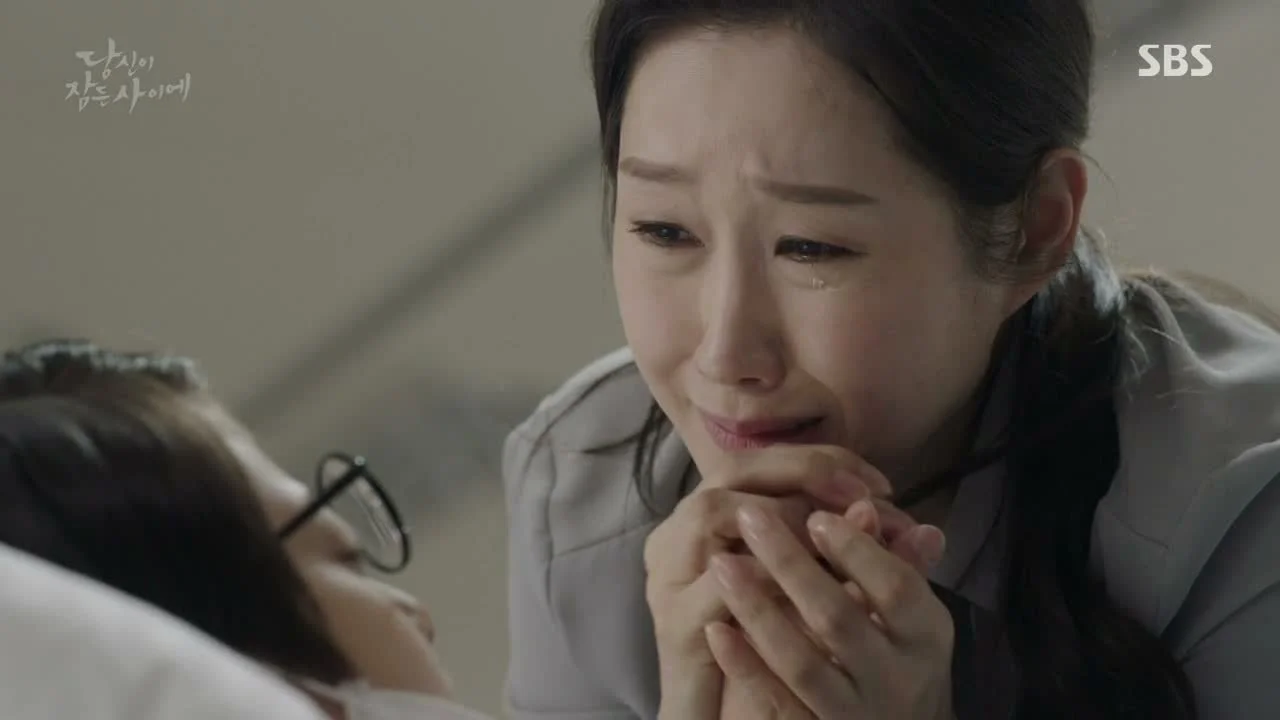
Bae Hae-sun as Son U-ju in While You Were Sleeping
Prosecutor Son U‑ju’s choice is one of the most heartbreaking in the drama. She votes for an autopsy even though it means her child will lose the chance to receive an organ transplant. She makes that decision because she thinks about the victim’s father — what he would want if his son were critically injured. He would want the truth. He would want justice. Her choice may be right for the victim’s families, but it is a terrible choice to have to make for her own child, who can’t wait much longer for a transplant. She is an example of a character who chooses to put aside her own desires for the sake of justice, a choice many of us would find difficult to make.
While You Were Sleeping keeps reminding us that the world isn’t shaped by fate alone. It’s shaped by the choices people make — big or small, brave or flawed, intentional or accidental. And sometimes, the choices made by people on the edges of the story end up changing everything.
A Man Who Chooses His Own Ruin
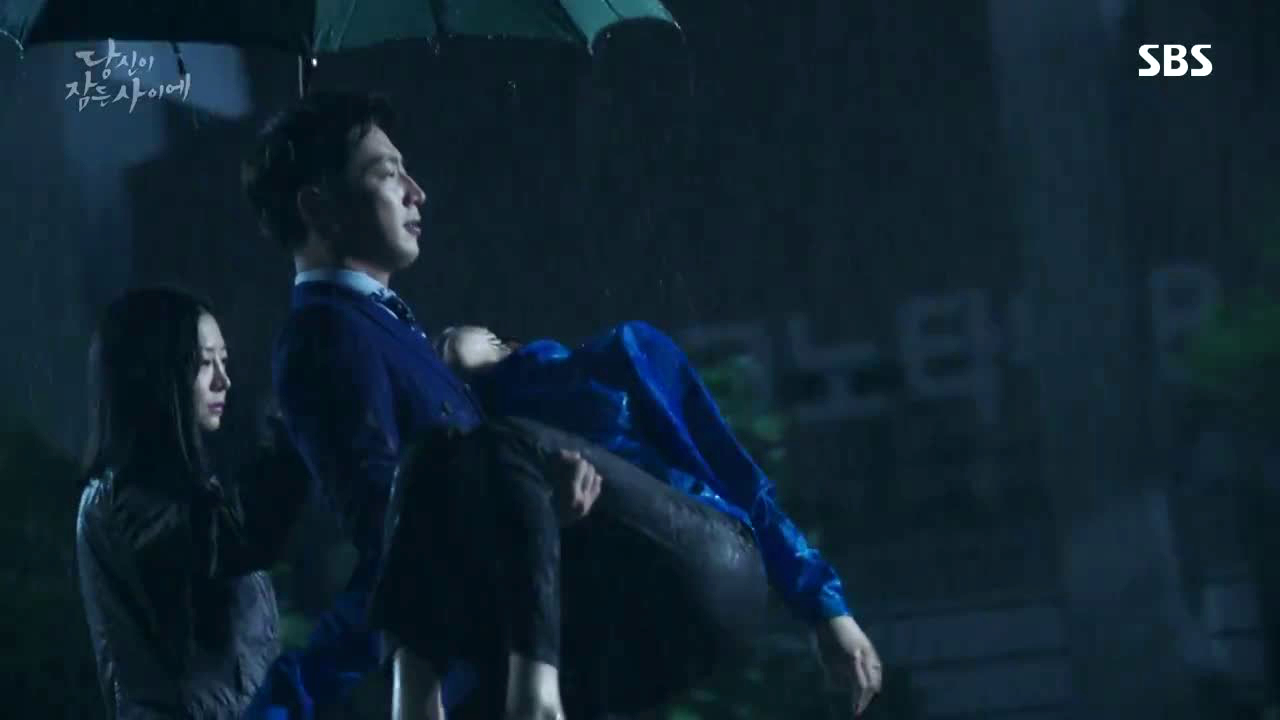
Lee Sang‑yeob as Lee Yu‑beom in While You Were Sleeping
Lee Yu‑beom is one of the most fascinating characters in the drama because he doesn’t start out as a villain. He becomes one through the choices he makes. What makes him such an interesting antagonist is that he isn’t one‑dimensional. He has layers and motivation, and we come to see him as a very believable individual. He isn’t just “evil”; he has qualities that are admirable and even charming. He buys flowers for Hong‑ju on Valentine’s Day. He offers to drive her home when it starts to snow, knowing she’s worried and in no condition to drive. He is smart and capable as a prosecutor, and we get the sense that he was genuinely successful in that role from the way he behaves as a defense attorney. Some might cringe at the thought of him defending such reprehensible individuals, but suspects should have lawyers who work hard to prove their innocence. Yes, we as viewers may know they’re guilty, but if we were in their shoes, we would want the same defense. In fact, if Yu‑beom had been the lawyer defending the doctor in the IV serial killer case, an innocent man might not have been wrongfully convicted. So despite his flaws, Yu‑beom is a rich character with many facets — which makes our feelings about him, as he spirals downward, even more justified.
He also embodies qualities we associate with cowardice: he lies when the choice is between his suffering and someone else’s. It’s a human response — self‑preservation — but it is still wrong, cowardly, and selfish. Ultimately, he moves from someone charming and talented to someone who makes all the wrong choices, leading to his isolation, defeat, and murderous path. He is a character to be reviled, but also someone to pity — a reminder that your choices define who you become.
By the final arc, Yu‑beom has crossed so many lines that there is no path back. He is willing to kill to protect himself. His desperation comes from the fear that Hong‑ju might reveal the truth about what he did a year earlier — that he leaked confidential information about the IV serial killer case to sway public opinion, which helped convict an innocent doctor. If the prosecutors reinvestigating the case discover this, it could expose him for tampering with evidence and manipulating the public for a win he didn’t deserve. Instead of admitting what he did, he chooses the unthinkable: he aids and abets a serial killer in an attempt to silence Hong‑ju. At this point, his moral compass is completely gone. He is no longer choosing between right and wrong — he is choosing between self‑preservation and the life of an innocent woman, and he chooses himself every time.
The tragedy of Yu‑beom is that he genuinely believes he is the hero of his own story. When he drugs Hong‑ju and leaves her in the hands of a serial killer, he convinces himself that he isn’t technically the one doing the killing. He even rewrites the narrative in his mind so that, had she died, he could have believed he was the one who stopped the villain. His moral compass is so warped by this point that he no longer recognizes the line between self‑preservation and cruelty. He becomes a man who will do anything — absolutely anything — to avoid being seen as wrong.
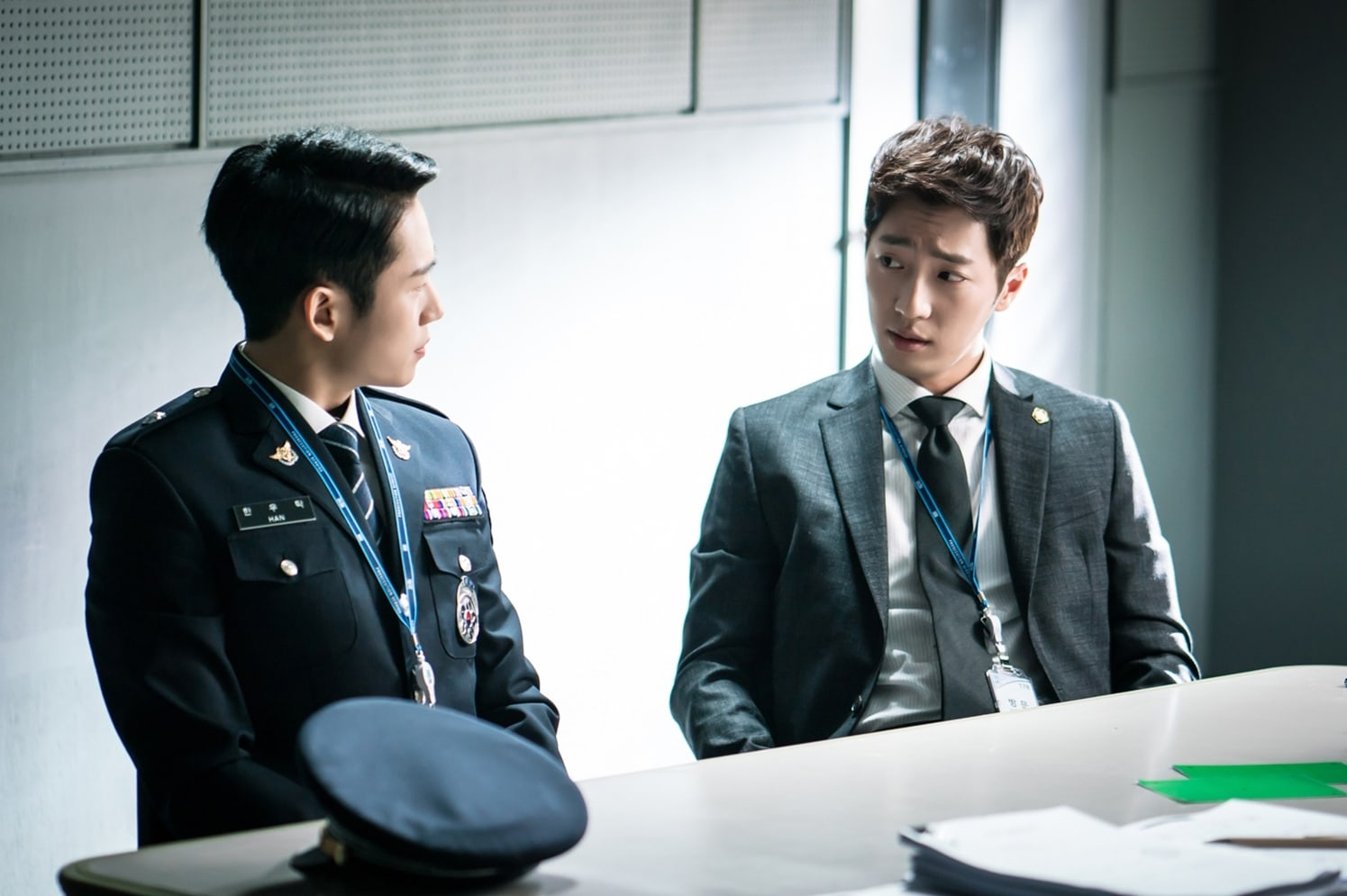
Han U‑tak & Lee Yu‑beom in While You Were Sleeping
Yu‑beom is a mirror of U‑tak. Both men carry a secret that could end their careers. Both are faced with a moment where the truth is about to come out. But when that moment arrives, they make completely different choices. Yu‑beom chooses to protect himself at any cost. He clings to his deception and tries to eliminate the one person he believes could expose him. U‑tak, on the other hand, chooses honesty. When he is called to the stand and asked about the umbrellas, he refuses to continue the lie. He admits he is color blind. He accepts that he shouldn’t be an officer. He is willing to resign. Still, U‑tak does everything he can to help — showing that he can recognize shade with remarkable accuracy and identifying the umbrellas by matching them to the red of the prosecutor’s robes and the green of Yu‑beom’s tie. Two individuals with secrets. Two moments where the truth is unavoidable. And two completely different decisions. They are mirror opposites — one choosing integrity at great personal cost, the other choosing self‑preservation at the cost of someone else’s life.
A Romance Built on Trust, Honesty, and Courage

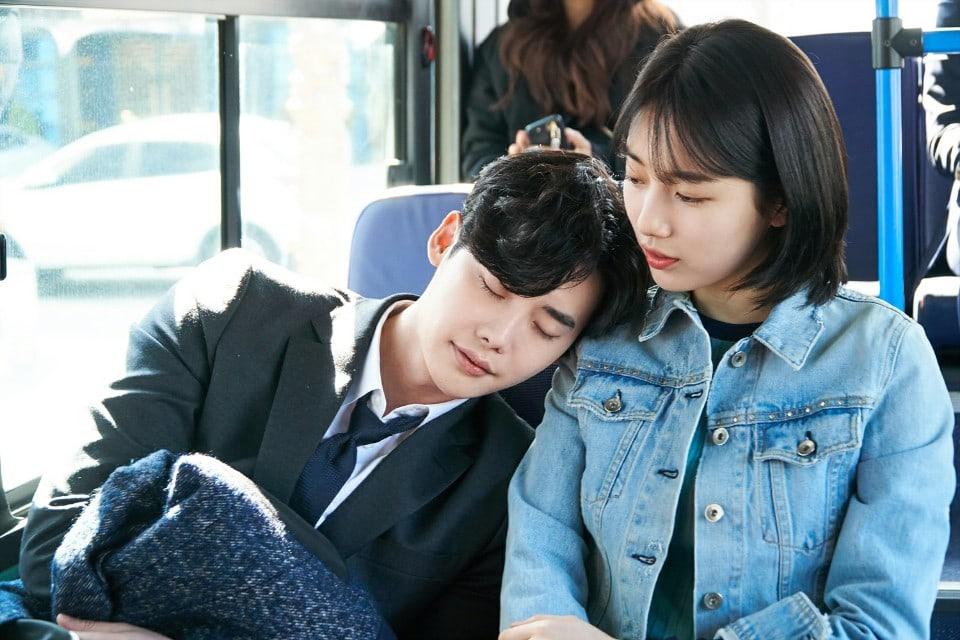
What makes the romance in While You Were Sleeping so memorable is that it never tries to be swoon‑worthy for its own sake. It begins in the quirkiest, most unexpected way: with Hong‑ju dreaming of a snowy night, a wounded man, and a surprisingly warm embrace with this stranger. Because of this dream, she assumes the man she sees — her new neighbor — is destined to be her love interest, and she wants absolutely nothing to do with him. The early episodes play this for comedy, with Hong‑ju avoiding him at all costs and even accusing him of being a stalker. Meanwhile, Jae‑chan is completely uninterested in her romantically. Their dynamic is awkward, silly, and charmingly off‑beat.
After Hong‑ju’s narrow escape from the car accident, everything changes. She begins to see Jae‑chan in a new light — not as the man from her dream, but as the person who proved that her future isn’t fixed. She immediately ends her relationship with Yu‑beom and chooses to start over. We see a Hong‑ju with more light, someone who finally believes that her dreams are warnings, not destiny, and that they can be changed. And the person who made her believe that? Jae‑chan. No wonder she gravitates toward him. He becomes her center, the person she trusts most, and for the rest of the drama we see a Hong‑ju who is devoted to him — to helping him, to saving him, to falling for him. And that is why our amazing second male lead, U‑tak, never stands a chance.
This is not a drama filled with fluttery, heart‑racing romantic tropes. Instead, it shows two people whose feelings deepen slowly, naturally, through life‑and‑death moments that reveal who they truly are. One of the best examples is the cherry blossom “kiss dream.” Both Hong‑ju and Jae‑chan dream of a picture‑perfect kiss beneath falling petals — a classic K‑drama setup. In her dream, she tiptoes up to kiss him. In his dream, he smiles gently and leans in. But in reality, the kiss doesn’t happen. Jae‑chan tiptoes even higher, pretending not to understand what she’s doing. It’s funny, awkward, and completely unexpected. Only later do we learn that in his dream, he actually did kiss her — and he chose not to in real life. The moment was “perfect,” but it was too soon. He cared for her, respected her, but wasn’t ready to cross that line. It’s a small choice, but it reveals so much about who he is.
Their romance is full of moments like this — where the drama balances seriousness with lightheartedness, and where emotional growth matters more than dramatic gestures. When they finally do kiss, it feels earned because it comes after Jae‑chan discovers that Hong‑ju was the girl he met at thirteen, the one who also lost her father, the one who saved him from drowning even while drowning in her own grief. He had always felt connected to “Chestnut,” the brave child who made the same choice he did: to save a life despite pain and resentment. When he realizes it was Hong‑ju all along, everything clicks into place for him.
Their brief rift — caused by Hong‑ju’s shame over her childhood hesitation — only deepens their bond. Jae‑chan reminds her that they were both young, both afraid, both hesitated, because they’re human. But in the end, they chose to NOT cross the line and live with a deep regret of watching an innocent person die. Jae‑chan tells her what she has been longing to hear: that she has nothing to be ashamed about. That she did make the right choice. That he also hesitated for the same reasons she did — anger, grief, resentment — but they both made the same choice: to save someone rather than watch them die. Their reunion in the rain, where Hong‑ju finds him outside the hospital and shelters him under her umbrella, is one of the most tender scenes in the drama. He asks her not to run away from him, not to disappear where he can’t find her. And she answers with a kiss — a kiss she initiates, and he completes with a depth that reflects everything they’ve survived together.
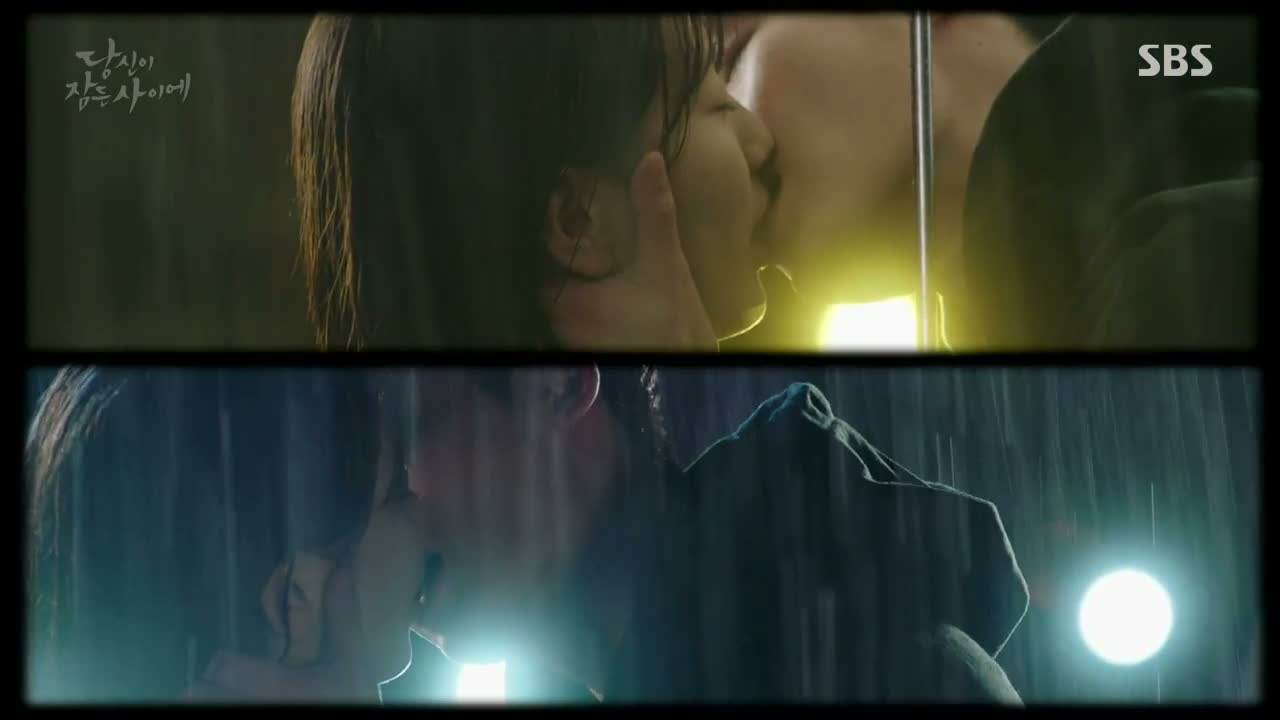
Their relationship is not built on destiny, but on choice. It’s about two adults who see each other clearly and choose each other fully. It is a romance shaped by honesty, mutual respect, and the courage to face the future side by side. And that is what makes it so beautiful: it feels real, earned, and deeply human.
A Story Woven With Purpose: How Every Arc Flows Into the Next
One of the most remarkable achievements of While You Were Sleeping is how meticulously crafted it is. This is not a drama built on disconnected cases or episodic thrills. Instead, every arc grows organically out of the one before it, as if each choice made by the characters sends out ripples that inevitably touch the next story. The show understands that life is not a series of isolated events; it is a chain of consequences, shaped by the decisions we make and the people we affect without even realizing it.
The barista’s arc is one of the clearest examples of how carefully the drama weaves its stories together. Saving Kang Cho‑hui from the staged confession — which would have led to her being burned and possibly killed — seems at first like a small, isolated victory. But because she survives, she later attends the trial of her older brother, Kang Dae‑hui, and becomes the only person in the courtroom who recognizes that the audio recording is fake. Everyone else hears what sounds like a tender exchange: Dae‑hui asking the younger brother if he’s tired, the younger brother saying he’s sleepy, and Dae‑hui gently encouraging him to get some rest. The recording is designed to make Dae‑hui appear caring and innocent — but Cho‑hui hears the truth. It’s one man performing both voices, a piece of evidence he prepared in advance to absolve himself.
Cho‑hui’s realization drives her to confront Dae‑hui at the chicken shop — a moment that clearly puts her life in danger. U‑tak arrives just in time to take the blow meant for her, and Hong‑ju escapes with Cho‑hui to the rooftop. This single thread — Cho‑hui surviving an earlier, seemingly unrelated incident — becomes the catalyst for U‑tak’s stabbing, Hong‑ju’s rooftop peril, and Jae‑chan racing to the scene with a warrant. And woven through all of this is Yu‑beom, who defended Dae‑hui despite knowing he had murdered his sibling for insurance money, choosing assured victory over justice and revealing the depth of his moral decay.
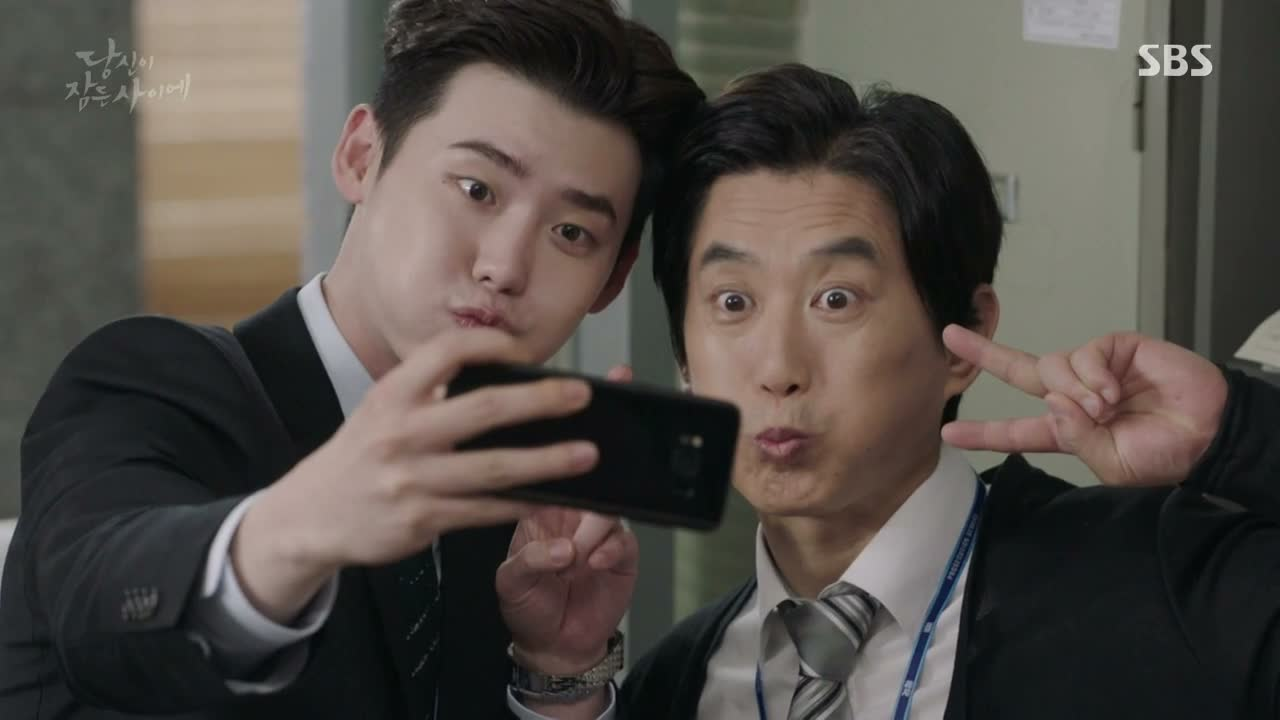
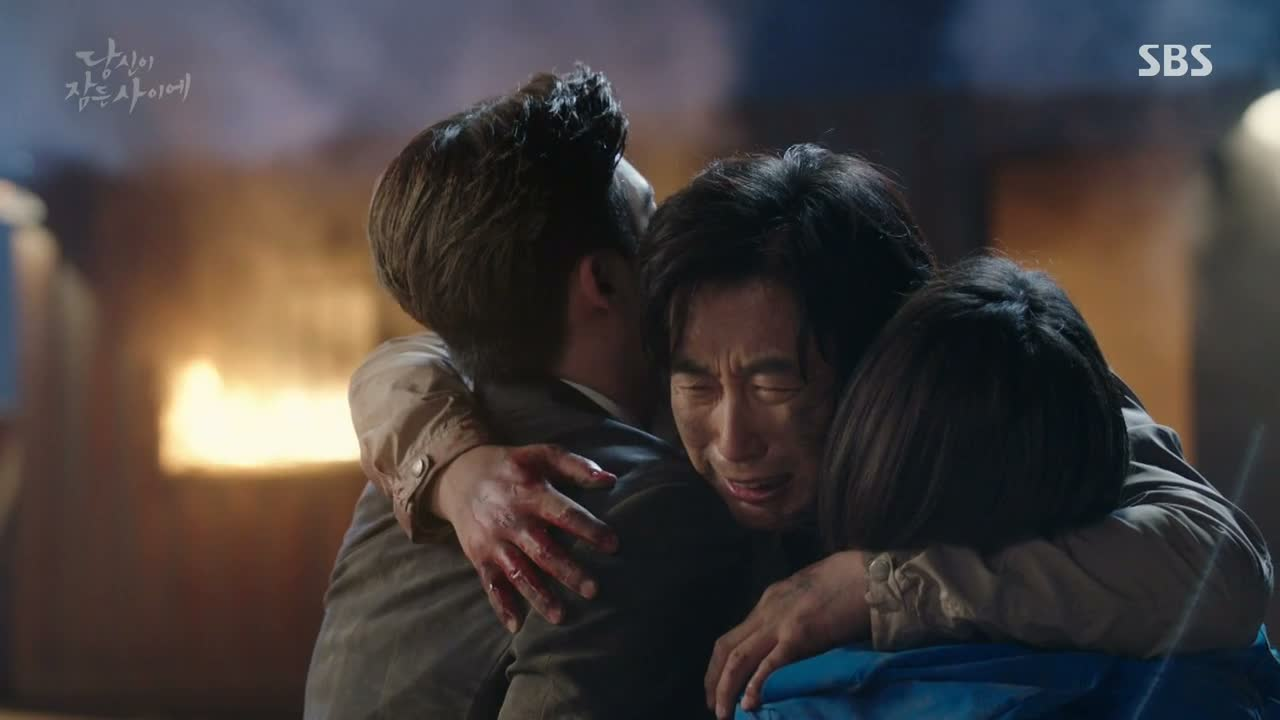
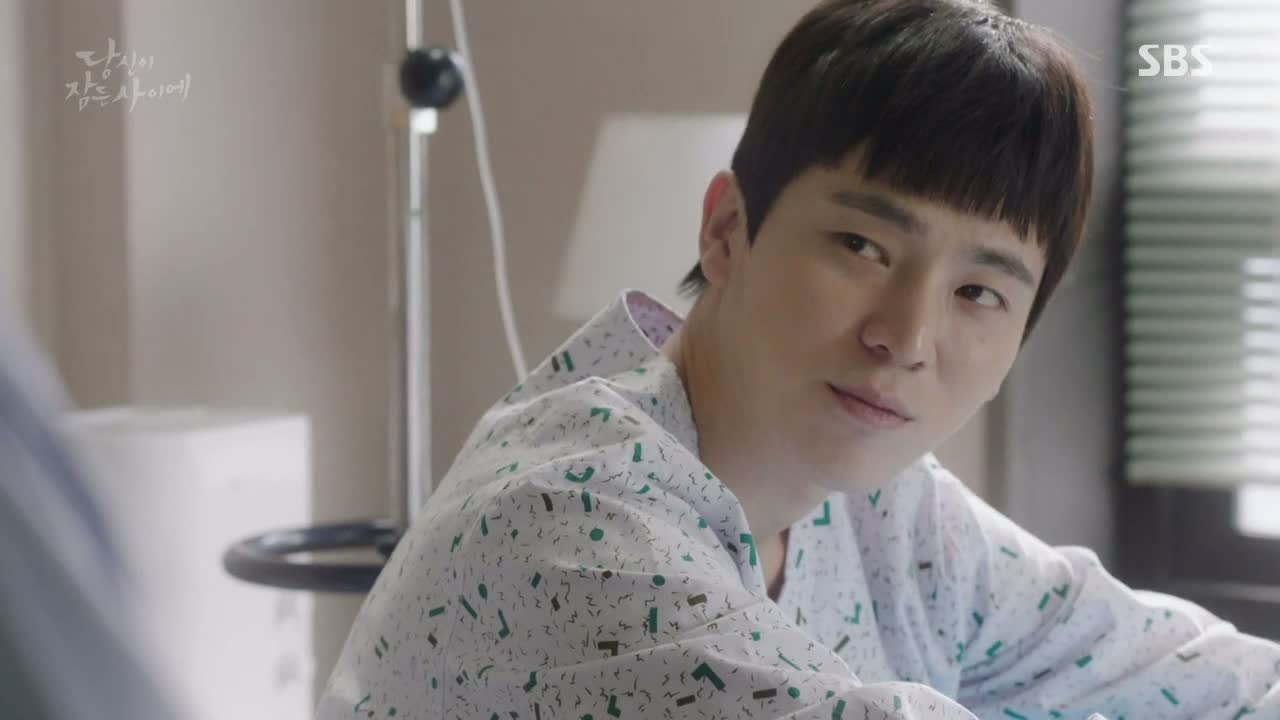
Inspector Choi is a character whose thread is woven through the show so carefully that if you blink, you might miss it. His story actually begins thirteen years earlier as Officer Choi, working closely with his chief of police — Jae‑chan’s father. We never get a full account of his life back then, but we see enough to understand how deeply he admired and respected his chief. He interacts warmly with young Jae‑chan, almost like a much older brother or a young uncle, gently reminding him that his father was proud of him — which is why he was so disappointed when he realized Jae‑chan and Yu‑beom had lied to earn money. Then the tragic truth emerges: Officer Choi is the brother of the army deserter whose actions led to the death of Jae‑chan’s father. It is a painful link, especially because Jae‑chan already liked the young officer, and now must face the fact that his father died because of Choi’s brother.
When Officer Choi discovers what his brother did, he is devastated. He grieves for his chief, and in despair, he decides to end his own life. To him, it is the greatest wrong his brother could have committed — taking the life of a man Choi respected so deeply. And yet, a part of him blames himself for not listening to his brother, for not believing him when he said he was suffering in the army. It becomes one of those “what‑if” spirals: what if he had listened, what if he had intervened, what if he had convinced him to turn himself in? In Choi’s mind, he failed everyone — he failed his brother, he failed his chief, and Hong‑ju’s father died protecting civilians because of a chain of events he believes he should have stopped. To Choi, he is the ultimate failure. A disgrace to his uniform.
But we know Officer Choi does not die — because two children save him, and because Hong‑ju tells him she isn’t angry anymore… and that he should live. Those words change him. And the dream he has afterward becomes the path he chooses to walk. In the present day, Officer Choi has become Inspector Choi, working in the prosecutor’s office and quietly, steadfastly supporting Jae‑chan. He advises him, guides him, helps him with small details without ever belittling him. Choi is gentle. Choi is patient. Choi worries about Jae‑chan’s safety. It’s all there in their interactions.
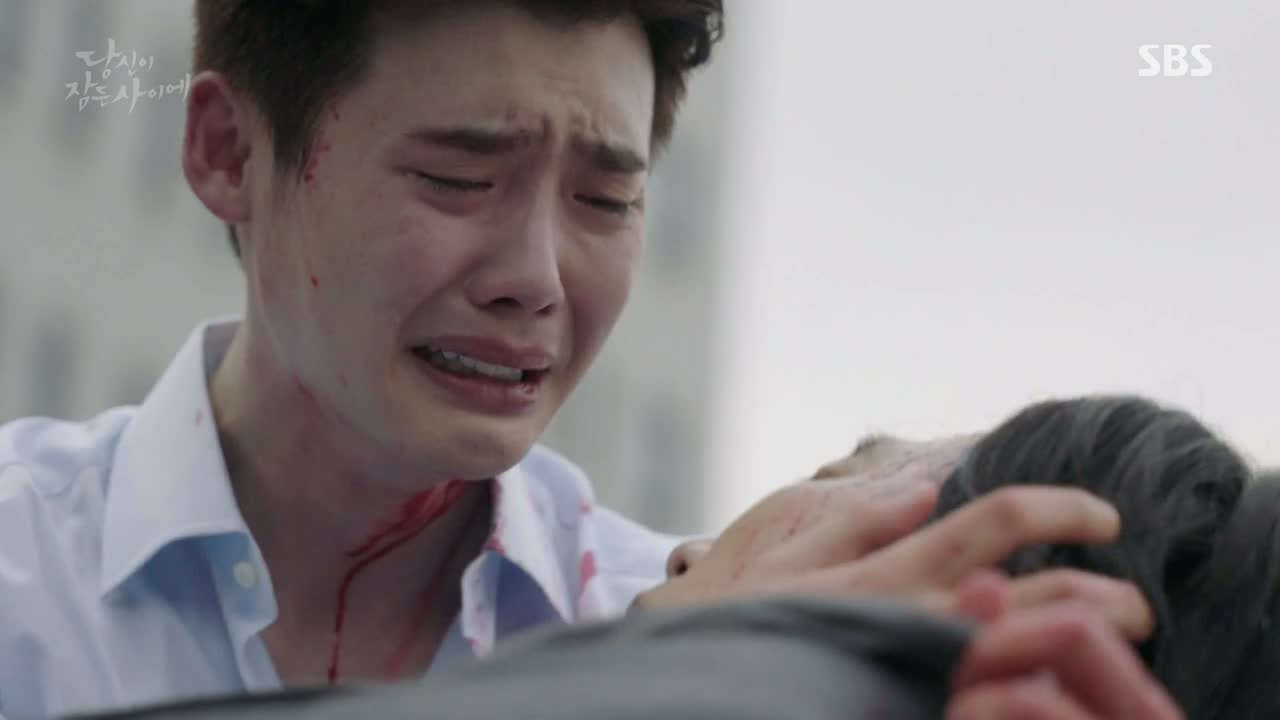
And when we arrive at the culminating arc — when Yu‑beom realizes he cannot win his trial and is enraged by Choi turning his back on him — we can see the end approaching. Choi stands on the street before the courthouse, watching a single red maple leaf drift down, wondering when he last saw this image. He turns and sees Jae‑chan walking toward him… and in a flash, he knows. Yu‑beom’s car slams into him. Choi is thrown through the air and lands hard. Jae‑chan rushes to his side, holding him as tears stream down his face. Jae‑chan is distraught, but Choi is calm. He looks up at Jae‑chan and sees exactly what he dreamed thirteen years ago in the hospital. He tells Jae‑chan he saw this moment back then. Jae‑chan cries out, begging him: “Please… if you’re seeing this in your dreams, stay away from me. Don’t approach me. Then none of this will happen.” But Choi shakes his head. “No. That’s not what you said to me. Tell me. I need to hear it. There’s not much time.”
Jae‑chan struggles, but then the truth pours out of him — his gratitude, his regret, his affection, his grief. He tells Choi that he is so happy they met again, that he missed him, that Choi has been patient and kind and honest, that he guided him through every mistake, that he helped shape him into the man he is now. Choi smiles, relieved. Here is the man he saw in his dream years ago. Here is the man he wanted to meet so desperately that he left the police force and joined the prosecutor’s office, waiting for the day their paths would cross again. And Jae‑chan did not disappoint him. Jae‑chan became exactly the kind of man his father would have been proud of — principled, fair, willing to investigate without bias, and deeply aware of how his choices affect others.
It is Jae‑chan’s tearful plea — begging Choi to avoid him to save his own life — that convinces Choi that this is a man worth meeting. A man who would rather lose a mentor, someone connected to his father, than see him harmed. A man who cares more about Choi’s safety than his own desires. That is the future Mr. Choi chooses to walk toward, even knowing how it will end. It is one of the most revealing connections in the show, a quiet but powerful reminder that a choice made long ago can bloom into meaning years later. Everything is connected.
This is what makes the drama so well‑crafted: every arc is a thread that loops back into the larger story. Every case reveals something new about the characters. Every decision — big or small — becomes part of a larger pattern. The narrative flows seamlessly, not because of coincidence, but because the writers understand that human lives are intertwined. The drama respects its audience enough to trust that we will notice the echoes, the callbacks, the way one moment of courage or cowardice can alter the course of everything that follows.
It is storytelling done with intention, care, and layered with meaning. It is one of the reasons I have connected with it so deeply.
Conclusion — A Drama Defined by Choice, Connection, and Careful Craft
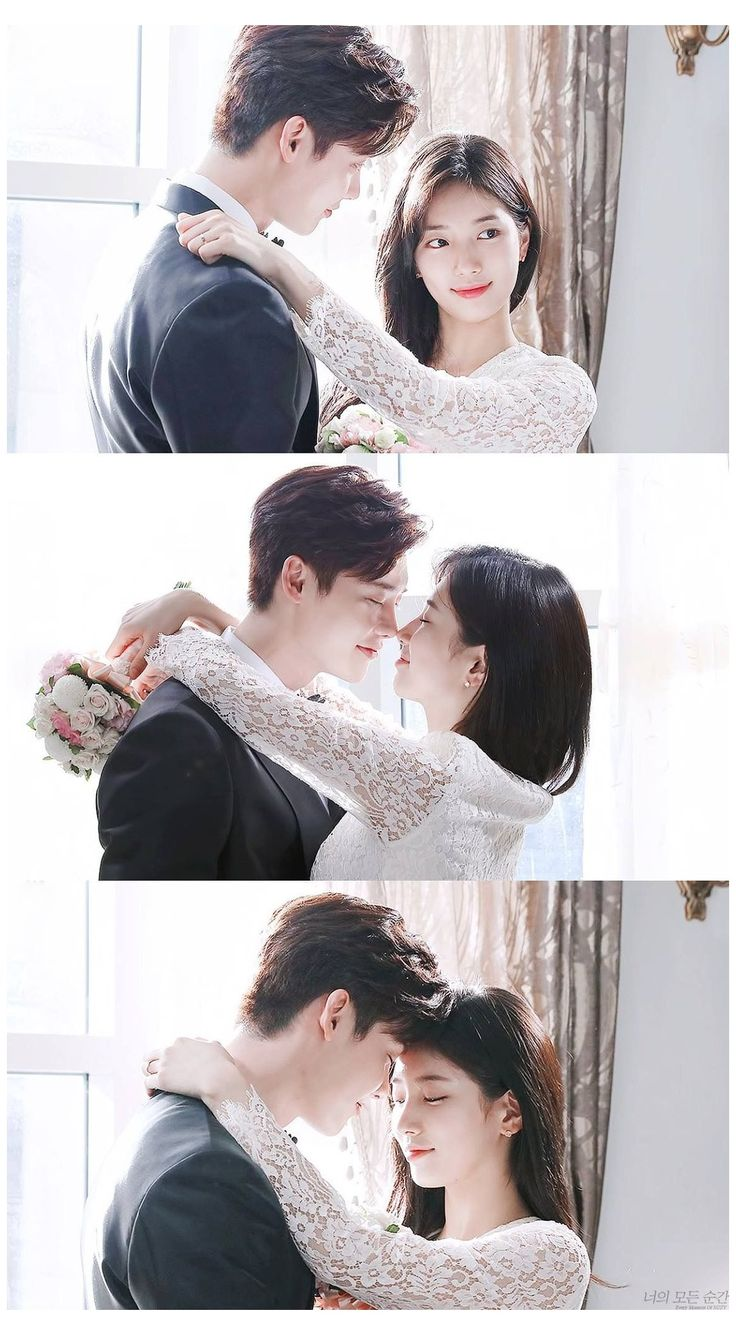
While You Were Sleeping is a slowly built drama made with intention, thought, and a story that is woven together with care. To appreciate it, you have to enjoy a slow build, a quirky and emotionally honest female lead, a serious but upright male lead, and a story where every connection is made on purpose. The drama feels immersive because the characters behave like real people — flawed, frightened, hopeful, and capable of making choices that protect or endanger themselves and others. Some choices lead to safety. Some lead to disaster. But all of them matter.
This is a drama about how choices define you. It is built so thoughtfully that you can trace every ripple, every consequence, every thread that ties one arc to the next. The leads are not perfect human beings who never falter. They admit their flaws openly: their anger, their resentment, their hesitation, their fear. And yet, when it matters, they refuse to cross the line. They choose to save a life. They choose to act with integrity. They choose to be better than their worst impulses. That refusal — that choice they make on purpose, even when it hurts — is what defines them.
In the end, the drama leaves you with a quiet truth: fate may show you possibilities, but it is your choices that shape who you become. And While You Were Sleeping is made with so much care and thought that you can feel those choices echoing long after the story ends.
