RIP Nissan Altima — And the Naturally Aspirated Era It Represented
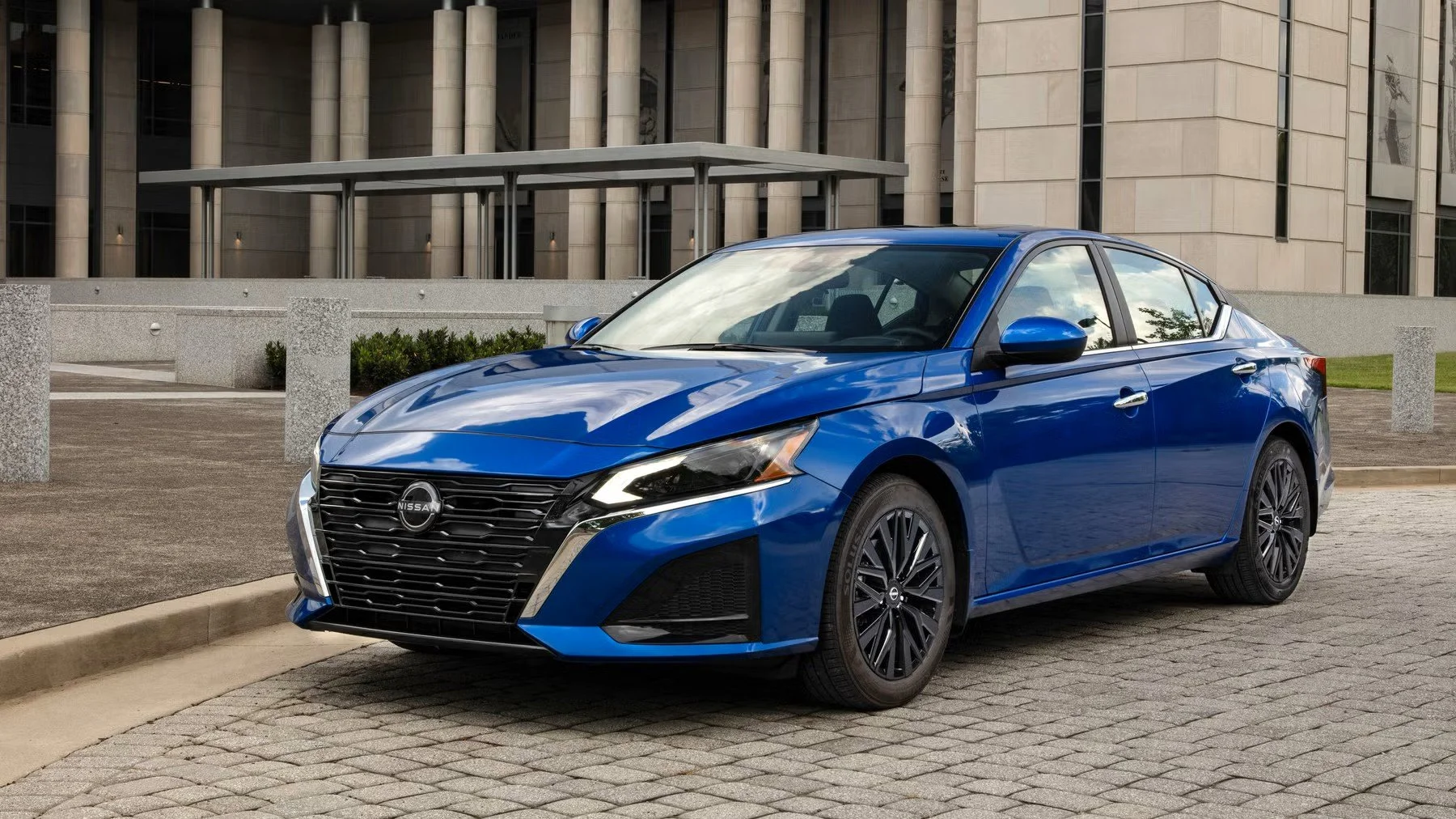
Latest generation of Nissan Altima which is slated for discontinuation after 2027
Nissan is reportedly discontinuing the Altima in North America. A 2027 model is apparently still coming — so it's possible that's the last one. Either way, the end feels like it's near.
And it got me thinking about the version of the Altima that I actually remember fondly — the 2002 model with the V6 engine producing 240hp. That car was something special for its era, and most people don't fully appreciate how special.
The 2002 Altima V6 — More Impressive Than It Sounds
My brother drove a manual version of the Altima — the 2.5S with the 4-cylinder producing 180hp. I remember it as a genuinely spacious car for its time. The shifter was OK — not as slick as a Honda, but honestly I'm not sure Nissan has ever fully solved that 😂
I personally drove a 2004 Nissan Maxima with the same V6 engine DNA, also in manual. That car was a blast. A front-wheel-drive four-door sedan with a manual gearbox and a V6 producing 255hp — it punched well above what anyone expected from a family sedan.
Here's the context that puts it in perspective.
A Ford Mustang GT V8 at the time produced 260hp. A turbocharged 2.0L WRX was making 227hp. Most JDM cars were barely cracking the 200hp mark — the DC2 Integra Type R, which I'd argue represents the absolute pinnacle of horsepower-to-engine-size ratio from that era, produced 195hp from a naturally aspirated 1.8L. A naturally aspirated V6 sedan producing 240hp in 2002 was genuinely competitive with the performance cars of the day.
The Naturally Aspirated Argument
Modern turbocharged cars easily clear 300hp and the old turbo lag argument barely applies anymore — engineering has largely solved that problem. So why does naturally aspirated still matter?
Because it feels different. It sounds different. And for enthusiasts, that difference is real.
Honda's VTEC is the classic example — torque stays low until you hit the VTEC crossover point, and then the engine screams. It's a specific, unmistakable sensation that turbo cars simply don't replicate. My current 370Z is naturally aspirated with a 7,500rpm redline. Power delivery is immediate and you can feel it starting to fall off as you approach the top of the rev range. It's a completely different experience from a turbocharged car — and one that I genuinely prefer.
There's an engine note and a character to naturally aspirated cars that is getting harder and harder to find as the industry moves toward forced induction and electrification. The Altima's V6 was a good representative of that era.
What Happened After 2002
The 2002 Altima was probably the high point of the nameplate. Jalopnik has an article pointing to the 2007 Altima as the beginning of the decline and the article loosely mentioned worst Altima drivers starting then. I had to google what that meant - Altima’s horsepower went up to 270hp in 2007, and apparently it turned into a meme because it made drivers speed excessively. The car became associated with a specific type of driving behaviour that nobody wanted to be associated with 😂
My own theory on the decline is simpler — competition caught up. The Honda Accord V6 of that era also produced 244hp and came with a manual transmission option. When Honda matches your performance numbers and brings their legendary shifter quality to the fight, that's a tough battle to win.
The Altima never quite recovered its identity after that.
Final Thought
The Nissan Altima discontinuation isn't just the end of a nameplate. It's another marker of the end of an era — the early 2000s period when naturally aspirated sedans were genuinely exciting performance machines that happened to have four doors and a back seat.
The 240hp V6 Altima. The Accord V6 manual. The Maxima. These were real driver's cars that nobody quite appreciated enough at the time.
I miss those days. A lot.
