The Business Case for Karaoke … I am not joking 😂
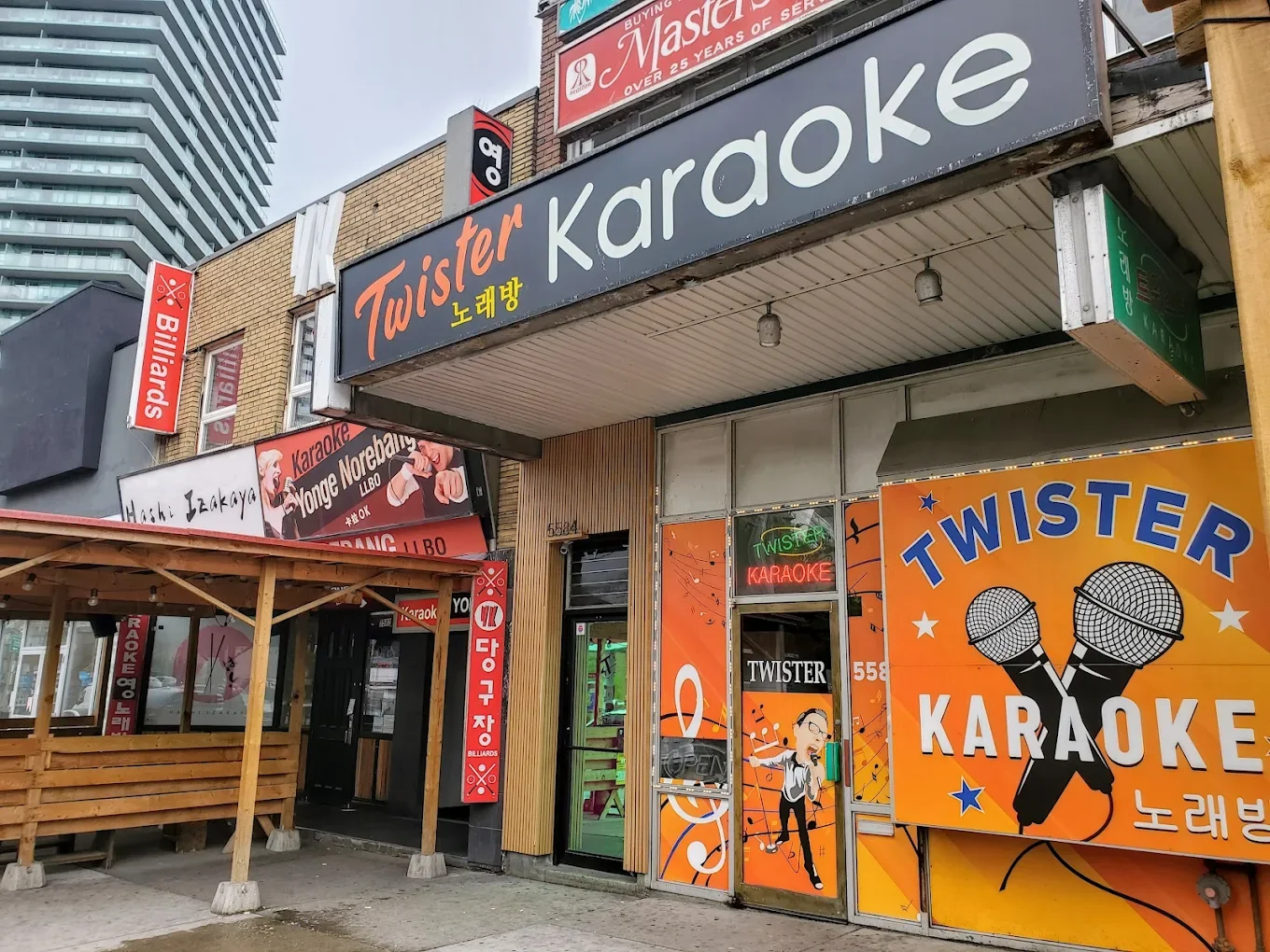
Twister Karaoke at Yonge & Finch Toronto. An OG karaoke spot that’s been around forever
One of my favourite business books is The Culture Map by Erin Meyer. For those who work with team members across many geographic cultures, I highly recommend reading it.
But this post is not about business — just context on why I bring it up first.
In Chapter 6, the Chinese concept of Guanxi comes up when a European team asks a Chinese consultant for help dealing with a Chinese company.
The consultant's feedback was simple but eye-opening — the European team had been too focused on the deal and had completely missed the Guanxi side of things. His advice? Stop thinking about the deal entirely. Instead, invest the time and energy to build a genuine personal connection. Build trust as you would with a friend. Share meals together. Have drinks. Relax and let the relationship develop naturally.
You can probably guess what happened next — the European team took that advice, spent real time with their Chinese counterparts, and the rest is history.
Now do you know what's one of the most popular forms of Guanxi anywhere, anytime?
Karaoke.
First, my karaoke background
I am old enough to remember when karaoke first started — back then, it was only available in large common rooms, whether packed or not.
You had to choose songs from a physical book, write the song name on a small slip of paper, and hand it in. You could submit multiple songs at a time, and the venue would queue them up properly.
Then you'd wait for them to call your table when your song was ready, and you and your friends would sing your hearts out.
And no matter how good or bad the singing was, the crowd always showed respect by clapping after every song.
I still remember going with my friends to a place called Larry & Frankies, tied to a hotel — not a big karaoke space at all.
Because we grew up during the 90s R&B era, we sang a lot of Boyz II Men, Jodeci, All-4-One, Babyface, and others. But we also tackled classics like Aerosmith's I Don't Want to Miss a Thing.
We didn't even drink — we were in high school.
We knew we weren't good singers, but we loved it … why? Guanxi.
Fast forward to karaoke now and how it builds Guanxi
Karaoke has changed a lot since those days.
Most of the time it's private rooms. Everything is digitized and there's no more waiting through strangers singing. Though you're still likely to wait — because someone in your group doesn't care about karaoke etiquette and keeps bumping their songs up. Yeah, I've experienced that more than a few times 😂
And I've used karaoke for Guanxi more times than I can count.
Team building for new teams coming together. Celebrating a milestone with new partners. Welcoming people from other countries joining your company. Karaoke fits all of it.
Now, there will always be someone who is too shy to sing into a mic in front of people they don't know well — I even have a friend who still won't do it, despite coming to karaoke with me for over 10 years!
What usually happens is that person still enjoys the music and the energy in the room.
Someone I met only a year ago runs her own business. We went to karaoke together for a team building session with our two teams. At first, she swore she wouldn't sing into the mic. After two karaoke sessions, she was hooked — and started taking her own team out to karaoke, sometimes on a whim!
Honestly, through my decades of doing karaoke, I have yet to see a group sing I Don't Want to Miss a Thing together and not completely let loose.
Now that's Guanxi.
Karaoke is just one form of Guanxi I've found particularly effective — not just for breaking the ice, but for moving relationships from formal to something real. Because music is unifying, no matter where you're from.
If you've always wondered about going to karaoke, just go for it. Trust me, you'll appreciate the Guanxi.
