Lovely Runner — A Deep Dive into a Drama That Runs Straight Into Your Heart. By Mei Mei
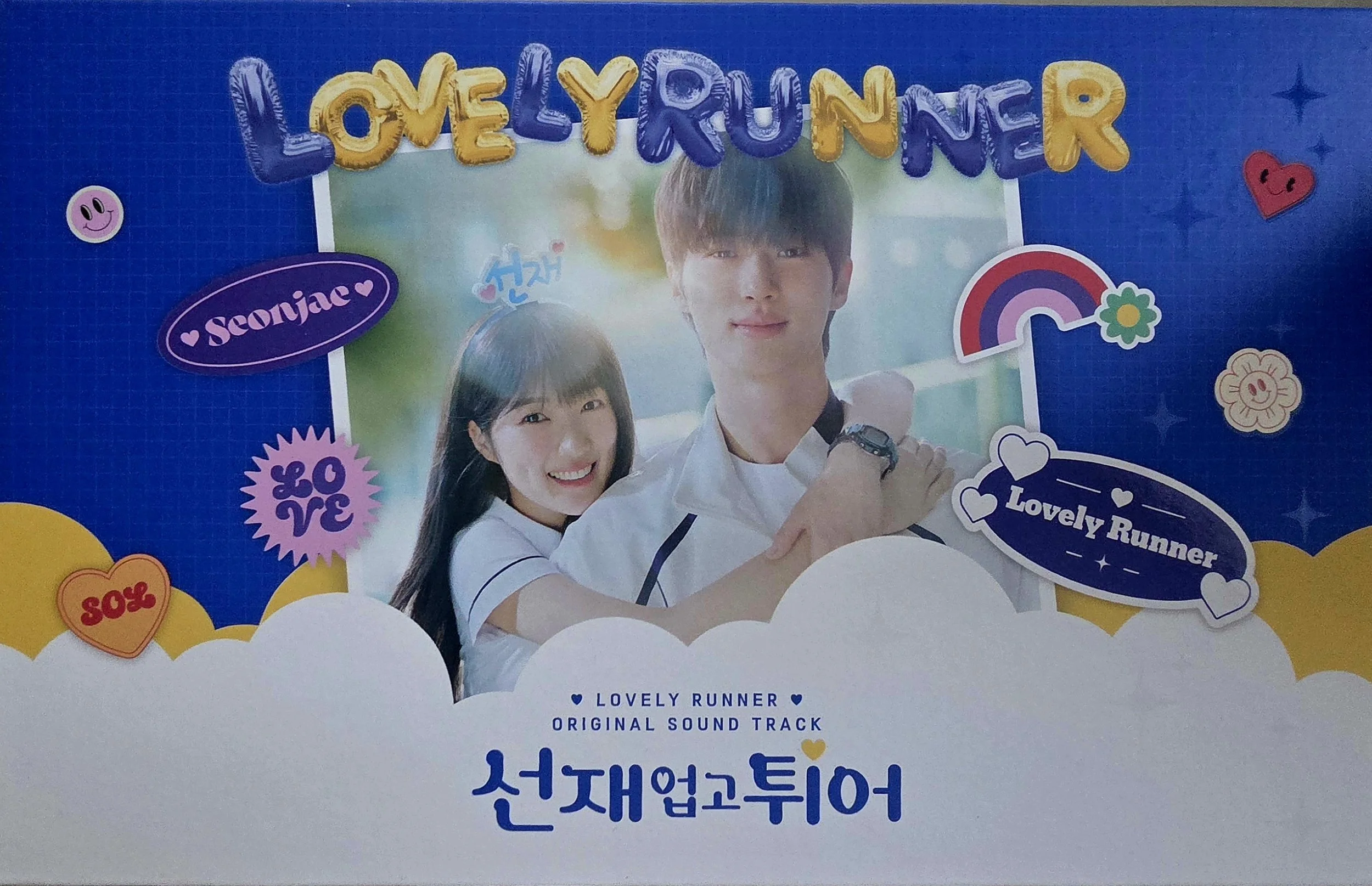
Lovely Runner K-Drama
If you've read my Hospital Playlist post, you already know my wife is the K-drama and C-drama expert in our household. She's been trying to get me to watch them for years — with mixed success 😂.
So I thought — why not give her the platform she deserves? Starting with this review, my wife MeiMei will be a regular guest contributor on CCC, covering K-dramas and C-dramas that are worth your time. Her reviews are thorough, honest, and spoiler-clearly-labeled — so whether you want the quick take or the deep dive, she's got you covered.
Take it away, MeiMei.
Drama Information
Title: Lovely Runner
Year: 2024
Episodes: 16
Director: Yoon Jong-ho
Screenwriter: Lee Si-eun
Main Cast: Byeon Woo-seok (Ryu Sun Jae), Kim Hye-yoon (Im Sol)
Genre: Romance, Fantasy, Time Travel, Melodrama
Based on: The web novel “Tomorrow’s Best”
Aired on: tvN
Trigger Warnings:
Lovely Runner contains references to suicide, depression, traumatic injury, and emotional distress. These themes are handled with sensitivity, but viewers who are affected by such content may want to proceed with care.
Who Should Watch Lovely Runner
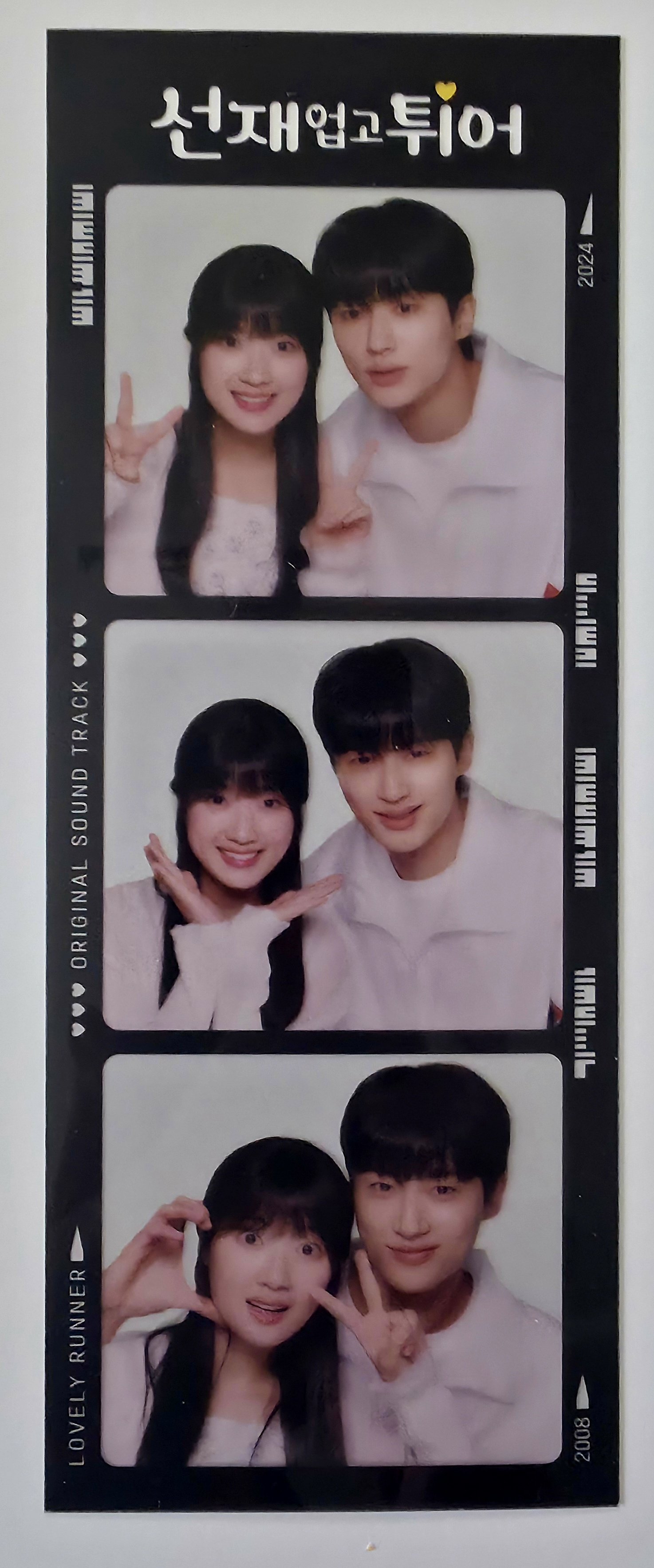
Lovely Runner - Cute Photobooth
Lovely Runner is perfect for viewers who love romance that feels earned, where every emotional beat is built with care and devotion. It’s ideal for anyone who enjoys time travel stories that are emotionally driven rather than scientifically complex, and for those who appreciate character‑centered storytelling with warmth, humor, and sincerity. If you enjoy stories about fate, soulmates, and the kind of love that grows slowly but deeply, this drama will resonate with you.
Who Might Not Enjoy It
This drama may not be the best fit for viewers who prefer romance to be minimal or secondary, or for those who dislike youthful love stories with a coming‑of‑age tone. If you’re not fond of emotional crying scenes, soulmate narratives, or time‑loop storytelling, Lovely Runner may feel too sentimental or too fate‑driven for your taste.
Non-Spoiler Review
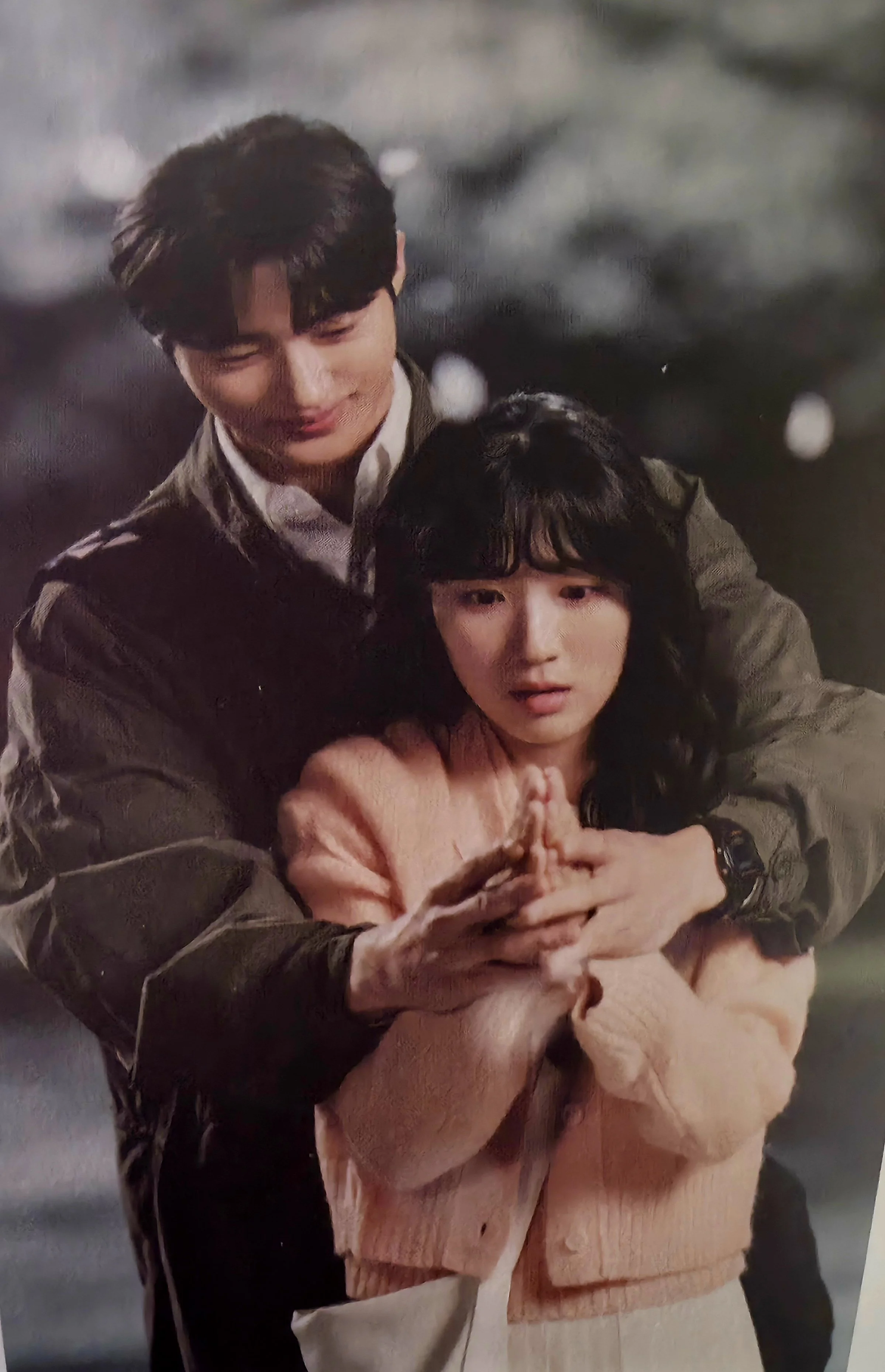
Im Sol & Sun Jae
Lovely Runner is one of those rare dramas that sweeps you up from the very first episode and holds you gently, sometimes painfully, all the way to the end. It blends romance, time travel, humor, and tragedy with such natural grace that you barely notice how many genres it’s balancing. What you feel instead is the emotional truth at its core: the connection between Im Sol and Ryu Sun Jae.
Im Sol is introduced in a moment of deep despair, and her pain is so raw that you can’t help but ache with her. Sun Jae, an idol whose warmth reaches her at her lowest point, becomes a quiet source of hope. Their connection is immediate and strangely fated, even before either of them understands why. The drama unfolds with a sense of inevitability, as if their souls have always been circling each other, waiting for the right moment to collide.
The acting is phenomenal. Kim Hye-yoon delivers one of the most emotionally demanding performances I’ve seen in a romance drama. Her tears feel real, her grief is palpable, and her joy is luminous. Byeon Woo-seok’s portrayal of Sun Jae is equally compelling — gentle, devoted, and quietly heartbreaking. The OST weaves itself into the story like emotional weather, enhancing every moment without overwhelming it. And time travel, rather than being a puzzle to solve, becomes a vehicle for emotional truth.
Lovely Runner is sincere, heartfelt, and beautifully crafted. It’s a drama that understands the human heart and treats its characters with tenderness. If you believe in love that endures across timelines, this drama is a gift.
A Heartfelt Shoutout to the People Behind Lovely Runner
Lovely Runner is not the work of a few individuals. It is the result of countless hands — writers, directors, cinematographers, editors, lighting crews, stylists, sound engineers, OST composers, set designers, production assistants, and so many others whose names we may never know but whose work is felt in every frame. This drama feels lovingly crafted, as if every person involved poured a piece of their heart into it. The emotional resonance, the seamless time travel, the warmth of the supporting cast, the beauty of the cinematography — none of it would exist without the collective devotion of an entire team. They created something truly special, and they deserve every bit of recognition.
Spoiler Deep Dive
Lovely Runner is, at its heart, Im Sol’s story. She is the runner of the title — not because she’s physically fast, but because she never stops moving forward, even when fate keeps knocking her down. Her introduction is one of the most compelling openings I’ve seen: a girl broken by tragedy, angry at the world, resentful of her circumstances, and unable to see a future. And then, in that bleakest moment, Sun Jae’s gentle voice reaches her. His words become a lifeline, even though she doesn’t know him. But he knows her. He has known her since the yellow umbrella moment, when she mistook him for a delivery man and unknowingly became the sun in his gray world.
The yellow umbrella is one of the most beautiful and emotionally loaded symbols in Lovely Runner, and it deserves to be understood the way the drama intended — not as a simple trope, but as the moment their fates truly entwine. Their real meet‑cute doesn’t happen in the present; it happens in the past, long before Im Sol ever knows who Sun Jae is. She runs toward him through the rain, her bright yellow umbrella glowing like a beacon in the grayness, and time seems to dilate around them. The world slows down, the rain softens, and Sun Jae can’t take his eyes off her. She is light in a dismal world, warmth in a cold moment, and he is struck by her in a way he never forgets. It’s not him protecting her — it’s her protecting him. She shields him from the rain, and in doing so, she becomes the person he carries in his heart for years. This is the memory he holds onto in the first timeline, the one where she doesn’t remember him at all. To him, this is their beginning.
Lovely Runner takes the familiar “umbrella as protection” trope and elevates it into something almost mythic. Every time the umbrella appears, time slows, as if the universe itself is pausing to acknowledge the significance of the moment. When we see the umbrella again in the present, it’s Sun Jae holding a large black umbrella over Im Sol as she sits in her wheelchair. Snow falls softly around them, and he offers the umbrella to her with a quiet tenderness, as if saying, If I can’t protect you by your side, then at least let me shield you from the cold. It’s gentle, heartbreaking, and full of unspoken longing.
And then there is the moment when the yellow umbrella becomes the key to unlocking everything. Sun Jae sees a stranger across the street holding a yellow umbrella, and something inside him shatters open. The umbrella blooms like a wave of memory, and he reels to the ground as every moment with Im Sol comes crashing back. It’s not just a trigger — it’s the symbol of their connection, the thread that refuses to break no matter how many times time is rewritten.
The umbrella isn’t used casually or aesthetically. It represents two people who keep trying to protect each other, again and again, across timelines and tragedies. It’s the visual proof that even when history is rewritten, even when memories are erased, the heart remembers what matters. The yellow umbrella is their beginning, their anchor, and the thing that always brings them back to each other.
Her journey through time is a marathon of courage. She never stops running — not from fear, but toward hope. Toward saving Sun Jae. Toward rewriting fate. Toward reclaiming the warmth she once lost. And the actress behind her, Kim Hye-yoon, carries this emotional weight with astonishing depth. She cried through ten out of eleven months of filming, and every tear feels real.
Sun Jae’s love is one of the most quietly powerful portrayals of devotion I’ve seen. He falls for Im Sol instantly and never wavers. Even across timelines, even when memories vanish, even when fate tries to erase her from his life, he gravitates toward her. His love is instinctive, soul-deep, and unwavering. Im Sol’s love comes more slowly, as she begins to understand him not as an idol but as a real person — someone kind, gentle, and endlessly devoted. Watching her fall for him is like watching petals drift on a breeze: soft, slow, inevitable.
The time travel in Lovely Runner works because it follows emotional logic rather than scientific rules. The watch activates when Sun Jae is dying, when Im Sol is desperate, when she chooses to change fate. She always returns to the moment where their threads first intertwined, because fate has a center, and their connection is its anchor. Her most heartbreaking jump is the one where she erases herself from his life entirely. She believes it’s the only way to save him. Watching her face a cold, detached Sun Jae — a Sun Jae who never knew her warmth — is devastating. But even then, his soul remembers. He is drawn to her without knowing why, moved by her script, touched by her story, and instinctively protective of her.
The apartment kiss is one of the most earned romantic moments in the drama. It comes after years of longing, heartbreak, and missed chances. Sun Jae approaches slowly, giving her space, letting her choose him. Their kiss is a release of years of yearning, devotion, and relief. Their smiles afterward are precious, glowing with the joy of finally finding each other again. But as viewers, we know their time is short. This is the calm before the storm.
The supporting characters add warmth and humor that balance the intensity of the main plot. Tae Seong’s bromance with Sun Jae is one of the funniest and most charming parts of the show.
Im Sol’s best friend and her brother also get a sweet romance shaped by time travel, and even the chaotic lottery subplot feels like fate adjusting itself gently. Im Sol’s mom, Sun Jae’s dad, and the grandmother bring heart and humor, especially in their misunderstandings. The grandmother’s blessing in the finale — touching Sun Jae’s heart and telling him they can finally be happy — is one of the most moving moments in the drama.
The finale is cathartic. Fate barrels toward Sun Jae like an arrow, but Tae Seong becomes the unexpected hero — the one variable outside the loop who can finally break the cycle. When Sun Jae wakes up with his memories restored, the real Sun Jae returns: warm, devoted, sparkling with youth. His “Sol-ah” shatters Im Sol’s emotional dam, and her tears feel like the release of years of grief and longing. His quiet rebuke — “How could you erase yourself from my memories?” — is justified and deeply Sun Jae. Because to him, a life without Sol is no life at all.
And then they get their happy ending. Cherry blossoms. A proposal. A glimpse of their wedding day that feels like déjà vu — or perhaps soul memory. It’s a perfect ending for a story that has always been about love that endures across timelines.
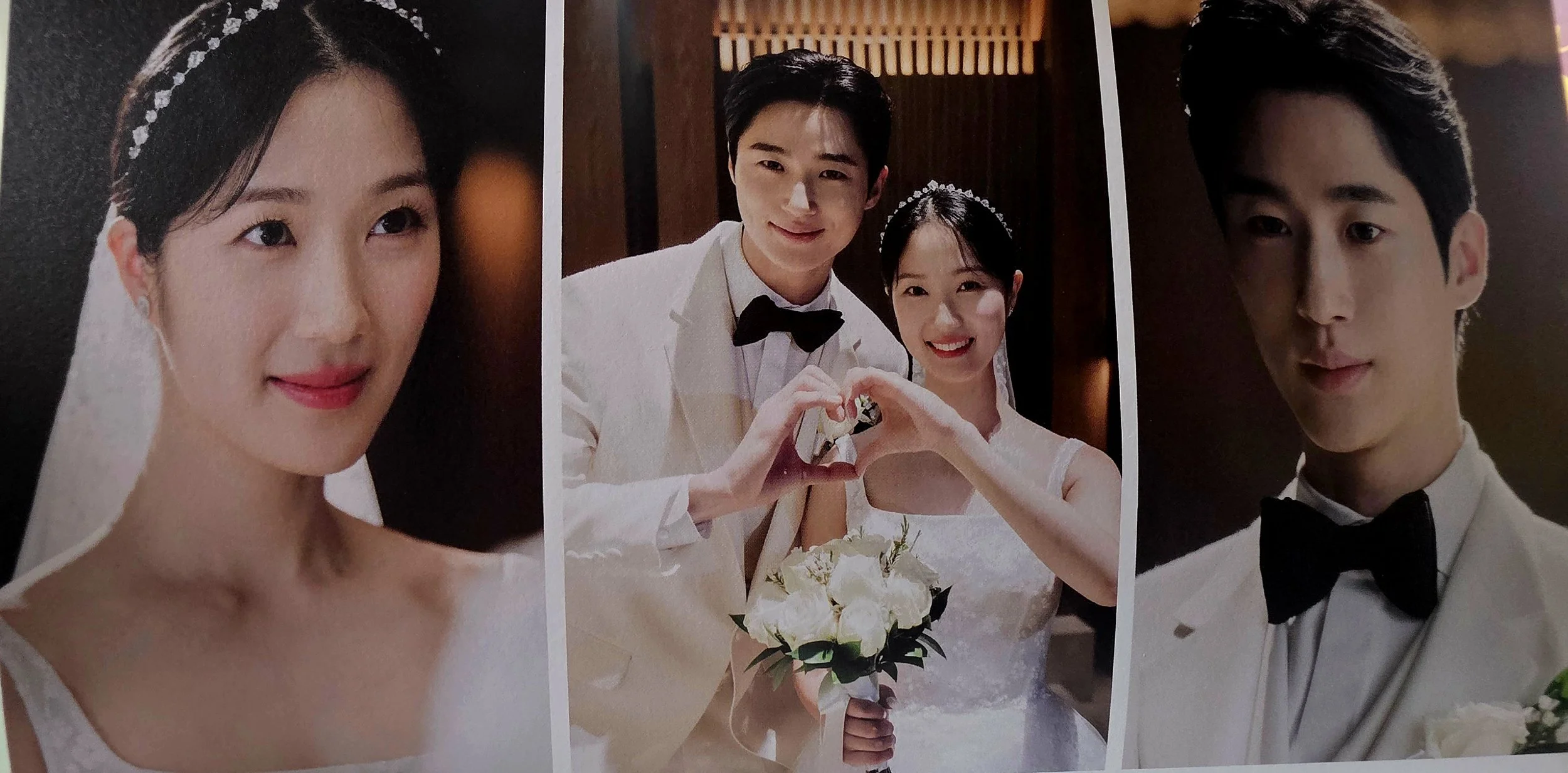
Im Sol & Sun Jae Wedding Pics
A Special Acknowledgment for Our Leads: Kim Hye‑yoon and Byeon Woo‑seok
It feels impossible to finish this deep dive without honoring the two actors who breathed life into Im Sol and Ryu Sun Jae so completely that the world briefly forgot they were acting. Kim Hye‑yoon and Byeon Woo‑seok didn’t just portray these characters — they became them.
Kim Hye‑yoon’s performance as Im Sol is extraordinary. She is the emotional anchor of the drama, the heart that keeps everything beating. Her portrayal of grief, determination, hope, and love is so raw and genuine that you feel every tremor of her journey. She cried through ten out of eleven months of filming, and every tear felt lived‑in, never performative. You can’t love Lovely Runner without loving Im Sol, because she is the lens through which we experience every heartbreak and every miracle.
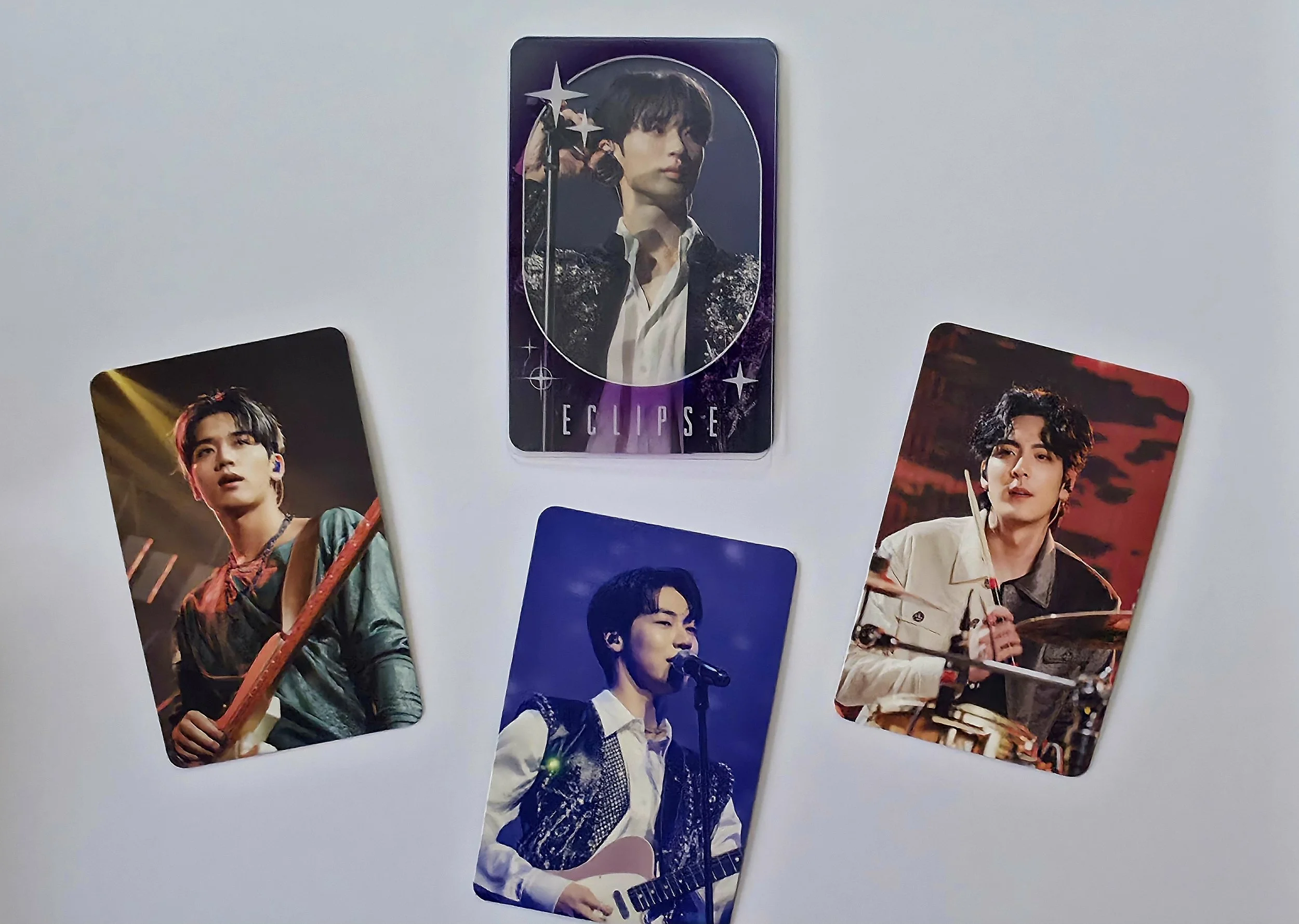
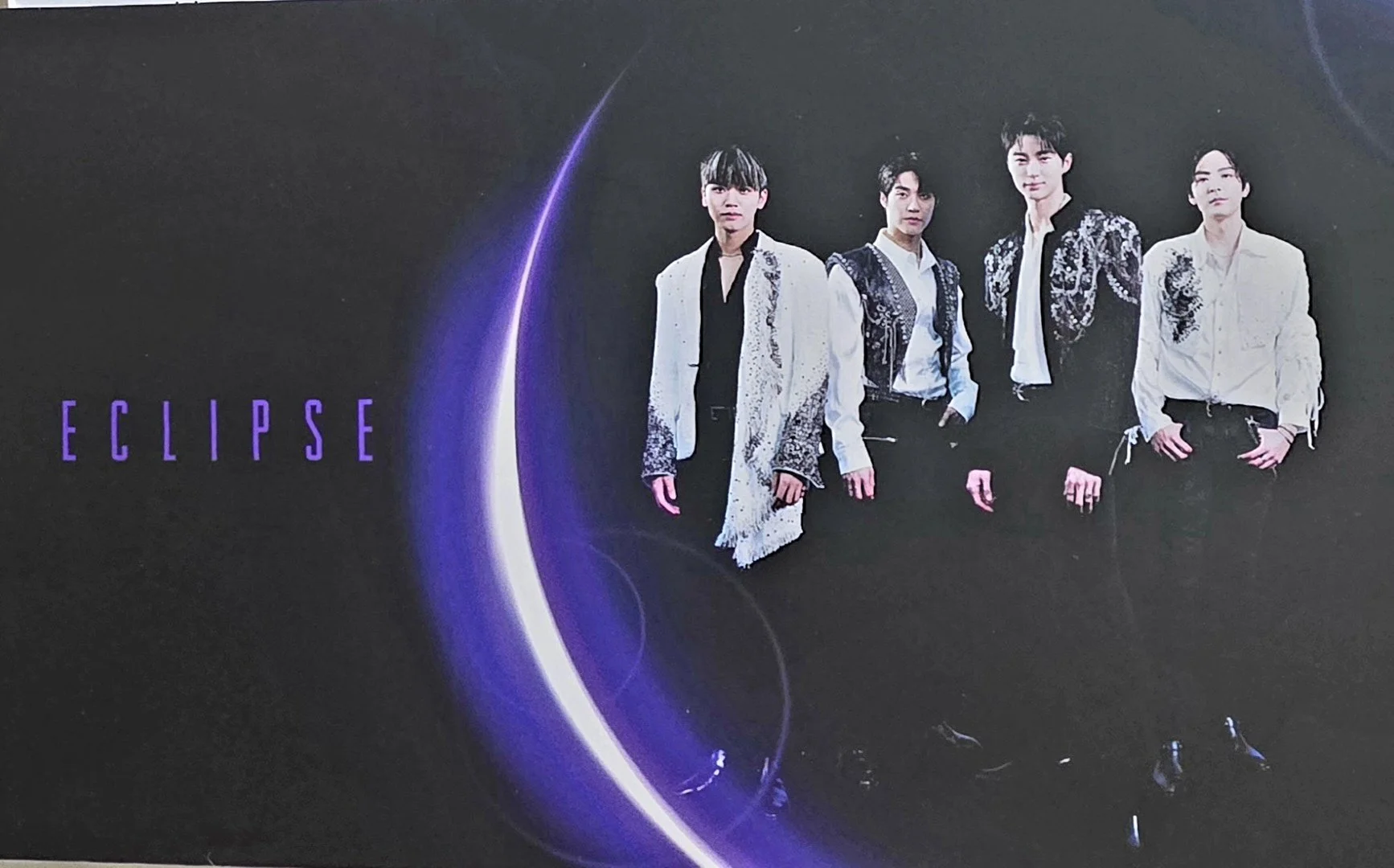
Byeon Woo‑seok, meanwhile, is the soul of the drama. His voice as the lead singer of Eclipse is rich, warm, and heartbreakingly sincere — the kind of voice that lingers with you long after the episode ends. He didn’t just sing the OST; he infused it with emotion. I still remember how thrilled I was when we visited Korea and I found the Lovely Runner album. I felt like Im Sol herself, clutching it like a treasure. That’s the power of his performance — he made Eclipse feel real.
He also deserves immense credit for the physical dedication he brought to the role. Sun Jae’s past as a competitive swimmer required real athleticism, and BWS trained rigorously to develop a swimmer’s physique. His form in the water, his posture, his movements — everything looked authentic, as if he had lived that life.
Together, Kim Hye‑yoon and Byeon Woo‑seok created a chemistry so natural, so effortless, that the world became convinced they were in love in real life. Even now, when I see videos of them together, it’s hard not to see Sun Jae’s eyes in the way he looks at her, or to miss the way she blushes when he’s near. Maybe that’s just the devoted Lovely Runner fan in me — but a person can dream.
Their performances are the reason Lovely Runner feels alive. They didn’t just act; they breathed these characters into existence. And because of them, Im Sol and Sun Jae will stay with us for a very long time.
